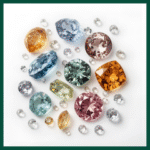
 Natural Faceted Gemstones
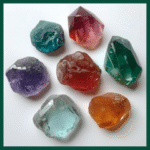 Natural Raw Crystals
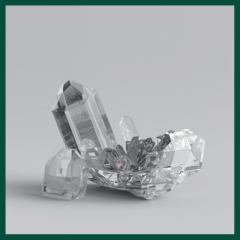 Natural Mineral Specimens
 Natural Gemstone Jewelry
 Natural Gemstone Beads
 Necklace Sets
 Earrings
 Bracelets
 Lockets
 Rings
RingsEmerald vs Green Tourmaline Comparison

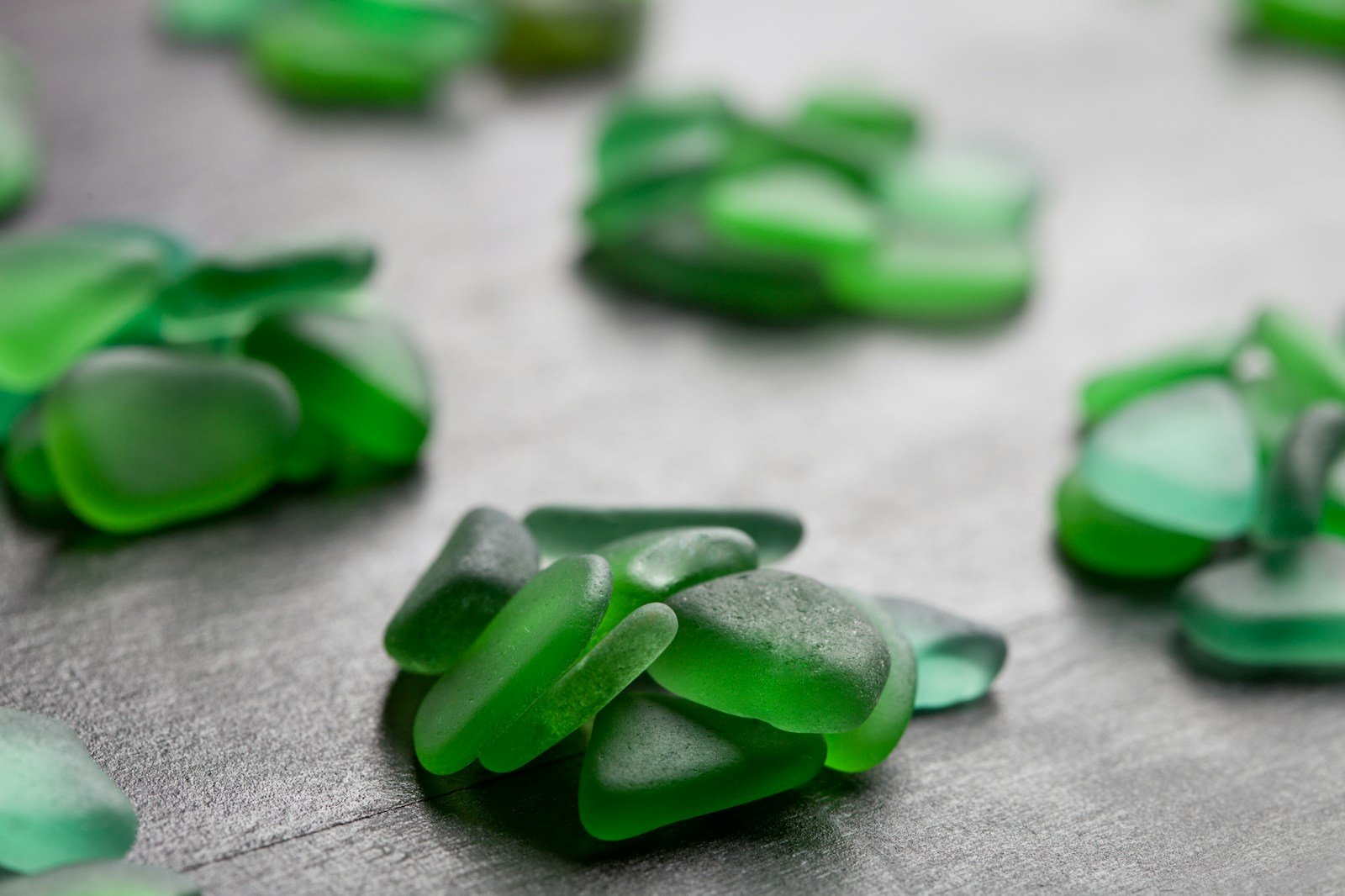
Green gemstones admire a massive following in the jewelry world due to their fresh, calming, and luxurious appearance. Among the most popular options available today, emerald and green tourmaline stand out as major market favorites. While both display mesmerizing green shades, each mineral possesses its own distinct structural appeal, marketplace value, and commercial applications.
In this comprehensive comparison guide, we will break down the essential differences between emerald vs green tourmaline. Specifically, we will evaluate their physical properties, analyze their geographic origins, estimate market value positions, and help you select the ideal crystal for your next fine jewelry project.
At a Glance: Quick Comparison Matrix
To help you visualize how these two dark green minerals stack up against one another, review their primary physical and commercial baselines:
| Physical Feature | Natural Emerald (Panna) | Green Tourmaline (Verdelite) |
|---|---|---|
| Chemical Structure | Beryl Mineral ($Be_3Al_2(SiO_3)_6$) | Complex Borosilicate Chain |
| Hardness (Mohs Scale) | 7.5 to 8.0 (High Durability) | 7.0 to 7.5 (Good Resistance) |
| Typical Clarity Path | Frequently Includes Natural “Jardin” | Type I / Type II (Often Eye-Clean) |
| Market Capital Position | Premium Luxury / Investment Asset | Accessible / High-Value Fashion Wear |
Color Saturation and Optical Brilliance
Natural Emerald
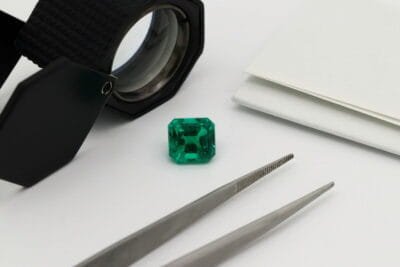
Emerald is globally famous for its highly distinct, velvet-like rich green tone, driven primarily by chromium and vanadium impurities inside the crystal lattice. Its unique visual depth is instantly recognizable, making it a historic favorite for royal crowns and heirloom sets. Because of its specific refractive index, an emerald projects a soft, aristocratic glow rather than a sharp metallic flash.
Green Tourmaline
Green tourmaline, or verdelite, offers an exceptionally broad spectrum of green shades, running from bright pastel mint and fresh lime to deep olive and forest tones. Many premium specimens display strong pleochroism, meaning they flash deep teal or golden-green highlights depending on the angle of light. This lively optical behavior gives it massive appeal among contemporary jewelry designers looking for sharp, modern contrast.
Structural Durability & Everyday Wearability
While both crystals rank well for fine jewelry use, their internal structures dictate different design handling guidelines. Emerald boasts a higher hardness ranking, but its natural internal inclusions, or “jardin,” mean artisans must treat the stone with care during cutting and setting. Consequently, custom protective bezel settings are highly recommended for daily wear rings.
Conversely, green tourmaline crystals typically grow with excellent internal clarity, rendering them largely eye-clean. Because tourmaline lacks natural cleavage planes, it resists splitting from accidental impacts remarkably well. This structural resilience makes it an exceptional, worry-free option for faceted geometric cuts, everyday statement bands, and heavy fashion bracelets.
Market Value, Sourcing & The Pakistan Connection
When evaluating value retention, emerald positions itself as an elite, premium investment-grade asset. Fine-quality stones with consistent saturation command top-tier international prices. Pakistan’s Swat Valley produces natural emeralds that are internationally revered for their rich, deep green saturation, frequently matching or outperforming Colombian deposits at global auctions.
Green tourmaline offers an outstanding value-conscious option for collectors who crave premium look and durability without paying a heavy gemstone premium. Pakistan’s high-altitude regions in Gilgit-Baltistan yield exceptionally clear, vibrant tourmaline crystals, allowing buyers to acquire large, beautifully faceted, and eye-clean local gemstones that maintain excellent liquidity and decorative appeal.
Building a truly captivating colored stone portfolio requires balancing your holdings with diverse, high-demand options. While selecting between these green varieties targets specific budget and style milestones, expanding your inventory with alternating colors ensures long-term asset safety. Sourcing a crisp, verified natural emerald, a deep crimson natural ruby, or an alpine-born aquamarine pendant alongside your collection ensures your showcase carries uncompromised historical legacy, market trust, and complete aesthetic balance.
Final Word
Ultimately, both minerals bring an exceptional combination of natural beauty, physical durability, and lasting asset value to the luxury market. Choose emerald if you want a traditional, high-prestige heirloom piece carrying historic asset status. Choose green tourmaline if you prefer a highly sparkling, eye-clean stone that delivers maximum visual scale and everyday resilience at an attractive price point.
At Yamama Gems, we maintain a strict dedication to transparent stone grading, ethical extraction methods, and certified authenticity. Explore our verified online store today to browse our selective, hand-cut inventory of genuine Pakistani Gemstones and rare global treasures curated specifically for passionate connoisseurs.