 Natural Faceted Gemstones
 Natural Raw Crystals
 Natural Mineral Specimens
 Natural Gemstone Jewelry
 Natural Gemstone Beads
 Necklace Sets
 Earrings
 Bracelets
 Lockets
 Rings
RingsPearl Gemstone: Complete Guide – Formation, Types, Uses, Value & Buying Tips

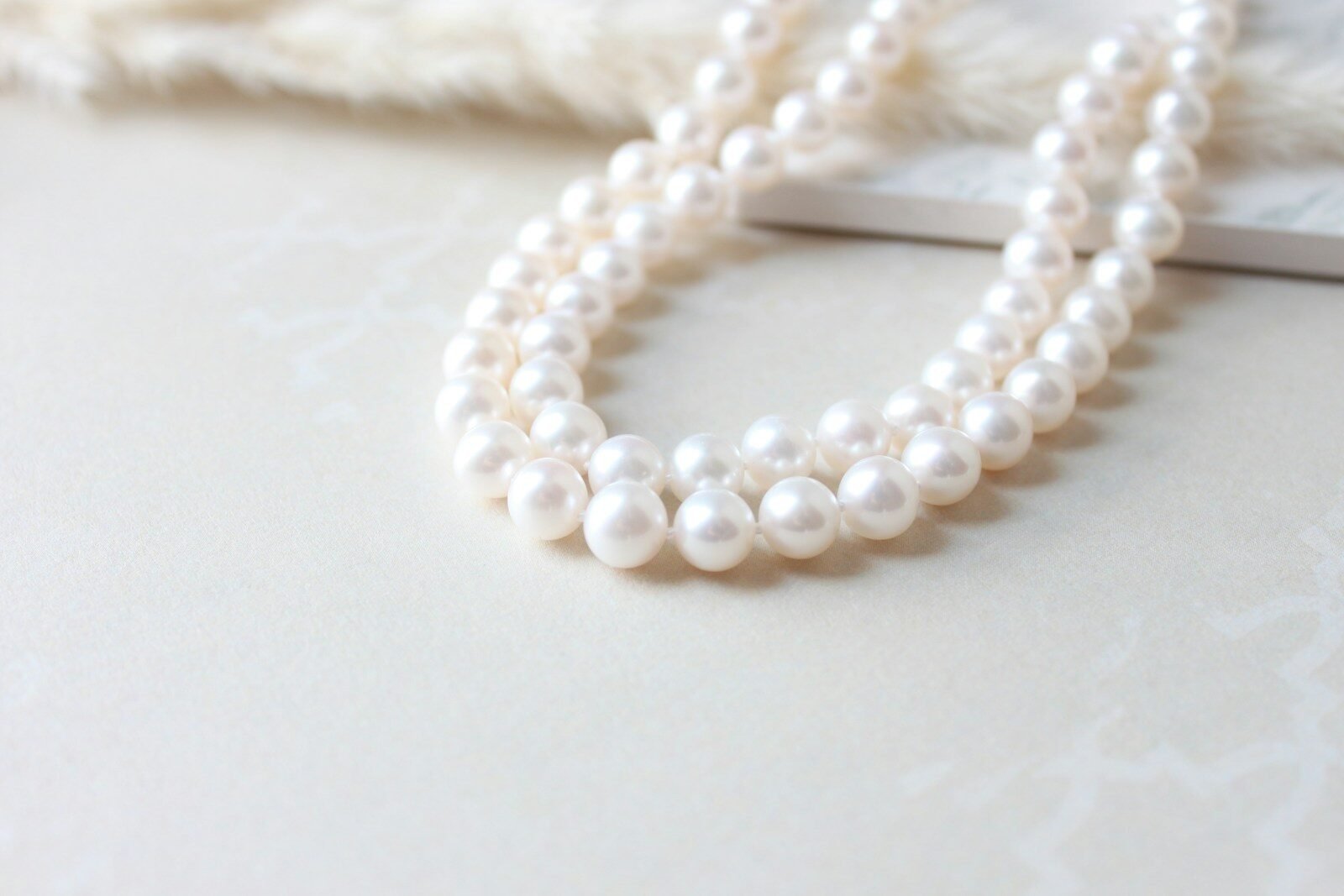
Pearl is one of the most elegant and timeless gemstones in the world. Unlike most gemstones, pearls are organic, formed inside living mollusks such as oysters and mussels. Known for their soft glow and natural beauty, pearls have been a symbol of purity, luxury, and sophistication for centuries.
In this complete guide to pearls, we will explore everything about these unique organic treasures, including their formation, types, uses, value, and how to identify real pearls from fakes.
What is a Pearl?
A pearl is an organic gemstone formed when a mollusk produces layers of nacre (also known as mother-of-pearl) around an irritant inside its shell.
- Type: Organic gemstone
- Color: White, cream, pink, black, golden
- Luster: Soft, glowing shine
- Hardness: 2.5–4.5 on the Mohs scale
👉 Pearls are the only gemstones formed inside a living organism, giving them a distinct position in gemology.
How Are Pearls Formed?
Pearl formation is a fascinating natural biological process that takes place deep within water bodies:
- A foreign particle (irritant) accidentally enters the oyster or mussel.
- The mollusk secretes layers of crystalline nacre around the irritant to protect itself.
- Layer upon layer builds up over time, fusing together.
- A solid, glowing pearl is formed after several months or even years.
Types of Pearls
Pearls are generally classified based on how they are formed and their environmental origin.
1. Natural Pearls
Formed completely without human intervention in the wild. They are extremely rare, historically significant, and highly expensive.
2. Cultured Pearls
Created with human assistance where a small bead or tissue nucleus is carefully inserted into the mollusk. Most pearls in the modern jewelry market are cultured.
3. Freshwater Pearls
Produced in rivers, lakes, and ponds primarily using mussels. They are highly versatile, more affordable, and available in various unique shapes.
4. Saltwater Pearls
Produced in oceans by oysters and are usually more valuable. This category includes famous luxury varieties such as:
- Akoya Pearls: Classic white pearls with high luster, mainly from Japan.
- Tahitian Pearls: Exotic, rare, and naturally dark-colored or black pearls.
- South Sea Pearls: Large, highly valuable white or golden pearls.
Value and Price of Pearls
Pearl prices vary widely based on specific quality standards, much like traditional faceted stones. The main price factors include:
- Luster: This is the most important factor—the deeper and sharper the reflection, the higher the value.
- Surface Quality: Clearer surfaces with fewer natural blemishes command higher prices.
- Shape: Perfectly round pearls are the rarest and most valuable, though baroque (irregular) shapes are popular in modern designer jewelry.
- Size: Larger pearls take much longer to form, driving up their market price.
How to Identify Real Pearls
Before buying pearl jewelry online, it is crucial to know how to spot authentic pieces from common glass or plastic imitations:
- The Tooth Test: Rub the pearl gently against the edge of your front teeth. Real pearls feel slightly gritty or textured due to nacre layers, while fake pearls feel completely smooth.
- Surface Check: Real pearls almost always have tiny minor imperfections or irregularities. If a strand looks 100% identical and flawlessly perfect, it is likely imitation.
- Luster & Weight: Real pearls exhibit a deep, glowing luster that reflects light from within and feel slightly heavier in the hand than plastic alternatives.
- Drill Hole Inspection: Examine the drill holes under magnification. Real pearls show clean, sharp edges, whereas fake beads often display peeling or chipped coating around the hole.
Pros, Cons, and Care Tips
While pearls offer unmatched timeless beauty suitable for all ages, they are soft and delicate (ranking low on the Mohs scale). They can be easily scratched and are highly sensitive to acids and chemicals.
Essential Care Tips:
- Always follow the “last on, first off” rule—put your pearls on after applying perfumes, hairsprays, or makeup.
- Wipe them gently with a soft, damp cloth after each wear to remove body oils or sweat.
- Store them separately in a soft cloth pouch to avoid scratches from harder gemstones like a natural ruby or sapphire.
Conclusion
A pearl is not just an ordinary gemstone—it is a stunning symbol of elegance, purity, and timeless luxury sculpted by nature itself. Whether you prefer a classic strand or a modern minimalist layout, understanding their nature helps you cherish them for a lifetime.
At Yamama Gems, we appreciate all varieties of nature’s treasures. Explore our exclusive collections of authentic Pakistani Gemstones and fine jewelry today to find your next favorite piece.