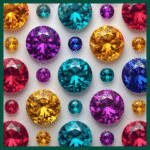
 Natural Faceted Gemstones
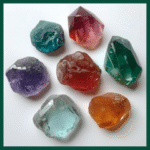 Natural Raw Crystals
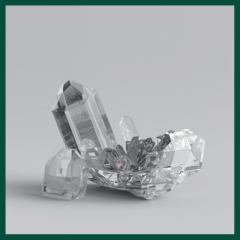 Natural Mineral Specimens
 Natural Gemstone Jewelry
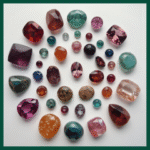 Natural Gemstone Beads
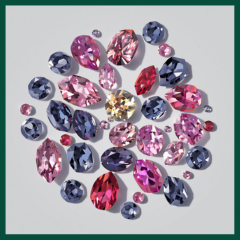 Cubic Zirconia Stones
 Synthetic Beads
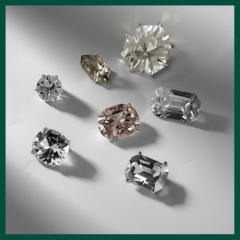 Synthetic Gemstones
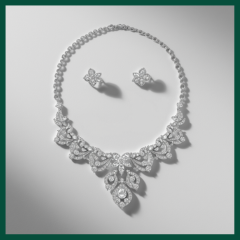 Necklace Sets
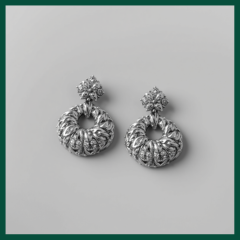 Earrings
 Bracelets
 Body Jewelry
 Lockets
 Rings
RingsAre Lab-Created Stones Real? Truth, Facts, and Buyer’s Guide

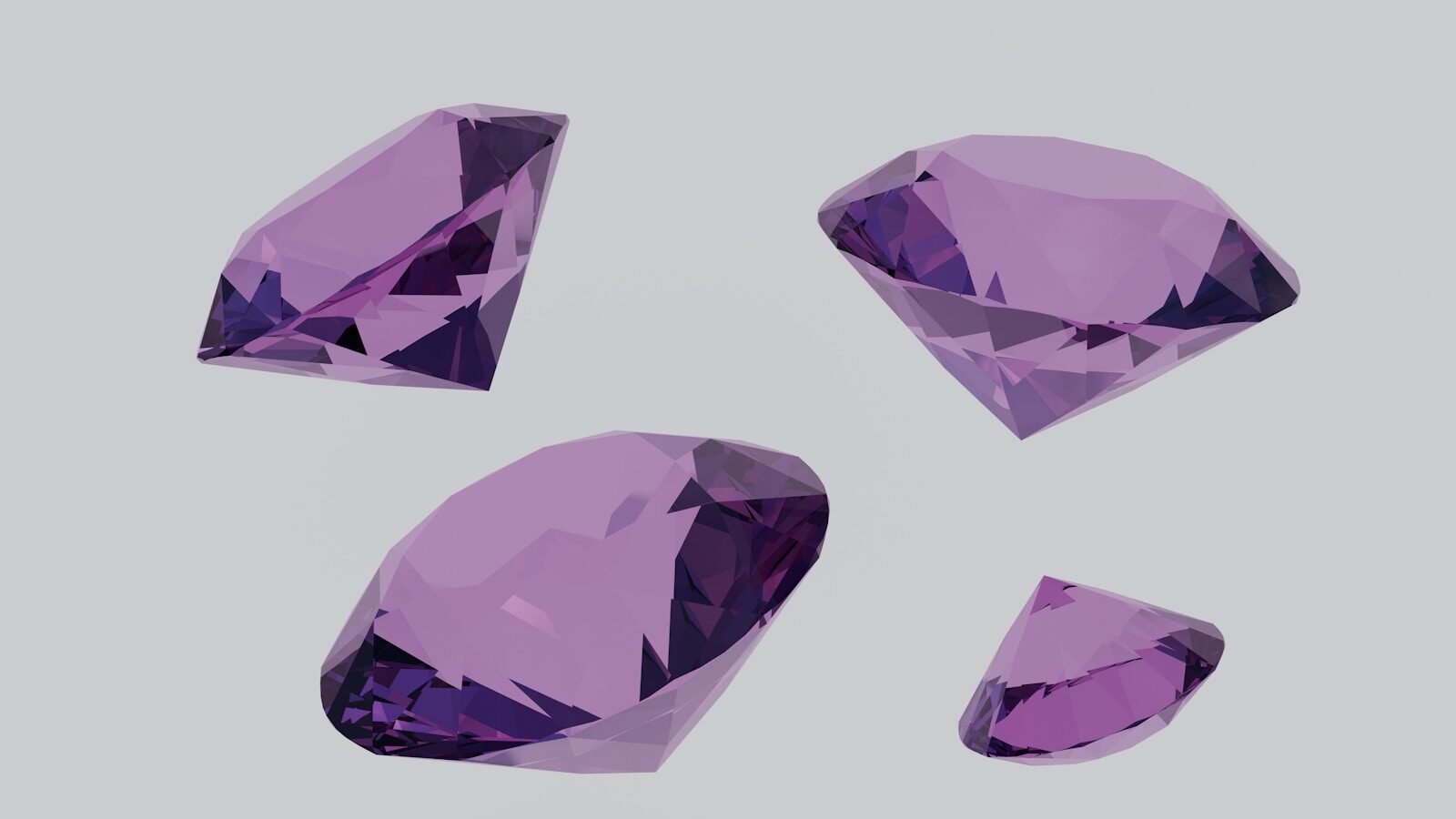
Lab-created gemstones have become extremely popular in today’s jewelry market. Many buyers often ask an important question: Are lab-created stones real or fake? The answer is simple—but needs proper understanding.
In this guide, we will explain the reality of lab-created stones, how they compare to natural gemstones, and what buyers should know before purchasing them.
What Are Lab-Created Stones?
Lab-created stones (also called synthetic or lab-grown gemstones) are gemstones produced in controlled laboratory environments using advanced technology.
They are created by replicating the same natural conditions under which gemstones form inside the Earth, such as:
- Heat
- Pressure
- Chemical processes
Examples include:
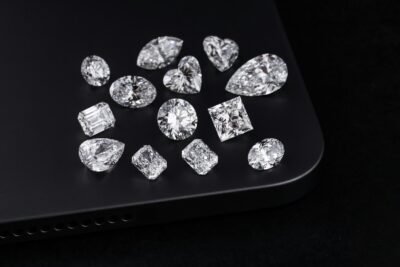
- Lab-grown diamond
- Lab-created ruby
- Lab-created sapphire
- Lab-created emerald
Are Lab-Created Stones Real?
Yes — they are 100% real gemstones
Lab-created stones are not fake and not plastic or glass imitations.
They have:
- Same chemical composition
- Same crystal structure
- Same physical properties
as natural gemstones.
👉 For example, a lab-grown diamond is chemically identical to a natural diamond.
What Is the Difference Then?
The only major difference is origin:
| Type | Origin |
|---|---|
| Natural Stones | Formed in Earth over millions of years |
| Lab-Created Stones | Made in laboratories in weeks or months |
So the difference is how they are formed, not what they are made of.
Are They Considered Fake?
No, lab-created stones are not fake, but they are sometimes misunderstood.
Types of confusion:
- ❌ Fake stones = glass or plastic imitations
- ❌ Synthetic stones ≠ fake stones
- ✅ Lab-created stones = real gemstones with lab origin
Why Are Lab-Created Stones Popular?
Lab-created gemstones are gaining popularity because:
1. Affordable Price
They cost significantly less than natural stones.
2. High Quality
They often have:
- Better clarity
- Fewer inclusions
- More uniform color
3. Ethical Production
No mining is involved, which means:
- Less environmental damage
- No mining-related ethical concerns
4. Availability
They can be produced in large quantities anytime.
Disadvantages to Consider
Even though they are real, they have some limitations:
1. Lower Resale Value
Natural stones usually hold better long-term value.
2. Less Rarity
They are mass-produced, so they are not rare.
3. Market Misunderstanding
Many buyers still prefer natural origin due to tradition or investment mindset.
How to Identify Lab-Created Stones?
It is very difficult to identify them with the naked eye. Even experts may need laboratory testing.
Common methods include:
- Advanced gemological testing
- Inclusion pattern analysis
- Spectroscopy
Should You Buy Lab-Created Stones?
Buy lab-created stones if you want:
- Affordable jewelry
- Perfect-looking gemstones
- Ethical and eco-friendly options
Choose natural stones if you want:
- Investment value
- Rarity and uniqueness
- Traditional gemstone appeal
Final Truth
Lab-created gemstones are real gemstones, not fake or artificial in the sense of glass or plastic. The only difference is their origin — Earth vs Laboratory.
Both natural and lab-created stones have their own value depending on purpose, budget, and preference.
Conclusion
Lab-created stones are a modern innovation in the jewelry industry. They offer beauty, affordability, and ethical sourcing, making them an excellent option for fashion jewelry buyers. However, natural stones still dominate in terms of rarity and investment value.
Understanding the truth behind lab-created gemstones helps buyers make smarter and more confident purchasing decisions.