 Natural Faceted Gemstones
 Natural Raw Crystals
 Natural Mineral Specimens
 Natural Gemstone Jewelry
 Natural Gemstone Beads
 Necklace Sets
 Earrings
 Bracelets
 Lockets
 Rings
RingsBlue Sapphire vs Tanzanite – Which Is Better?

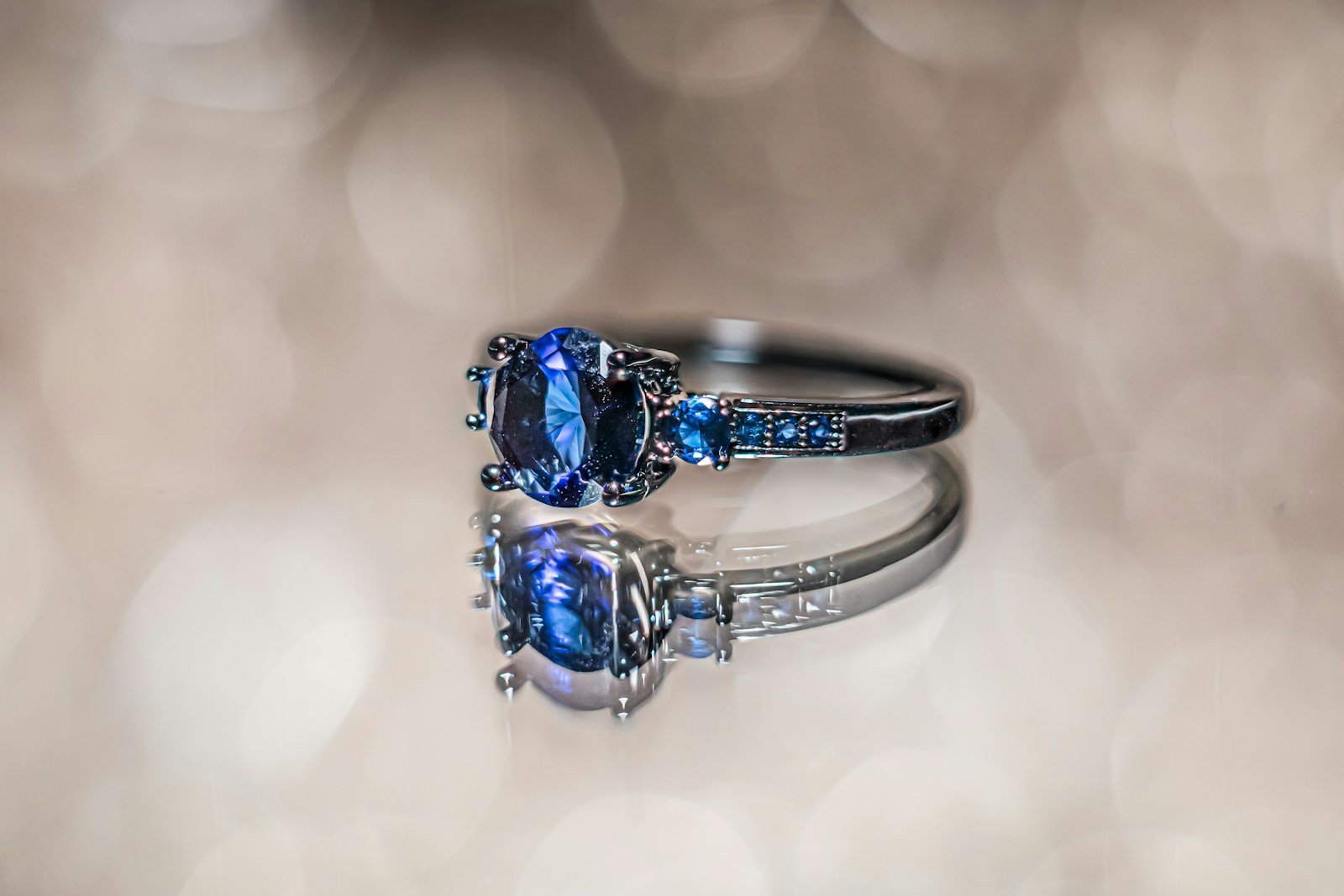
Blue gemstones admire a massive following in the jewelry world due to their calming beauty, royal appearance, and timeless elegance. Among the most popular options available today, blue sapphire and tanzanite stand out as major market favorites. While both display mesmerizing blue shades, each mineral possesses its own distinct structural appeal, marketplace value, and commercial applications.
In this comprehensive comparison guide, we will break down the essential differences between blue sapphire vs tanzanite. Specifically, we will evaluate their physical properties, analyze their geographic origins, estimate market value positions, and help you select the ideal crystal for your next fine jewelry project.
At a Glance: Quick Comparison Matrix
To help you visualize how these two striking blue minerals stack up against one another, review their primary physical and commercial baselines:
| Physical Feature | Natural Blue Sapphire (Neelam) | Natural Tanzanite |
|---|---|---|
| Chemical Structure | Corundum Mineral ($Al_2O_3$) | Zoisite Mineral Variety |
| Hardness (Mohs Scale) | 9.0 (Supreme Durability) | 6.0 to 6.5 (Moderate Resistance) |
| Typical Refraction Path | Doubly Refractive (Uniaxial) | Strongly Pleochroic (Biaxial) |
| Market Capital Position | Elite Luxury / Historical Investment Asset | Exotic Rarity / Premium Fashion Wear |
Color Saturation and Optical Brilliance
Natural Blue Sapphire
Blue Sapphire, traditionally known as Neelam, is famous for its highly distinct, deep royal blue tone, driven primarily by iron and titanium impurities inside the crystal lattice. Its rich, velvety blue color stays remarkably consistent under most lighting conditions and represents absolute elegance. Because of its excellent refractive index, sapphire projects a sharp, regal brilliance that has been treasured for generations in commitment jewelry.
Natural Tanzanite
Tanzanite offers an exceptionally dynamic color profile, celebrated for its intense blue-violet and rich purple shades. It displays strong pleochroism, meaning the crystal shifts color personality when viewed from different angles or under varying light sources. This optical magic gives tanzanite a fresh, contemporary appeal, flashing deep indigo or violet highlights that instantly captivate the eye.
Structural Durability & Everyday Wearability
While both crystals rank well for fine jewelry use, their internal structures dictate completely different design handling guidelines. Blue sapphire boasts an incredible hardness ranking of 9 on the Mohs scale, second only to diamonds. It resists scratching and daily friction flawlessly, making it the perfect choice for everyday rings, bridal sets, and lifetime heirlooms.
Conversely, tanzanite is a more delicate mineral, ranging from 6 to 6.5 on the Mohs scale. It possesses distinct cleavage planes, meaning it can split if subjected to sudden hard impacts. Because of this structural trait, tanzanite is best reserved for special-occasion wear, or set into protective custom bezels, statement pendants, earrings, and cocktail designs where the stone is safer from everyday wear and tear.
Market Value, Sourcing & Rarity
When evaluating value retention, blue sapphire positions itself as an elite, premium investment-grade asset. Fine-quality stones command top-tier international prices, with historic origins maintaining massive global demand. Sourced reliably from the high-altitude northern mountains of Pakistan, natural sapphires provide excellent market liquidity and traditional asset value for discerning collectors.
Tanzanite offers a unique story of modern rarity. It is an exclusively single-source gemstone mined only in a small region near the foothills of Mount Kilimanjaro in Tanzania. While its limited geographic origin contributes to rising demand among collectors, tanzanite remains more accessible in price than top-grade sapphire, allowing buyers to secure larger, beautifully faceted, eye-clean statement pieces at a highly attractive value tier.
Building a truly captivating colored stone portfolio requires balancing your holdings with diverse, high-demand options. While selecting between these blue varieties targets specific budget and durability milestones, expanding your inventory with alternating colors ensures long-term asset safety. Sourcing a lush, verified natural emerald, a deep crimson natural ruby, or an alpine-born aquamarine pendant alongside your collection ensures your showcase carries uncompromised historical legacy, market trust, and complete aesthetic balance.
Final Word
Ultimately, both minerals bring an exceptional combination of natural beauty, distinct optical traits, and lasting value to the luxury market. Choose blue sapphire if you want a traditional, high-prestige heirloom piece carrying supreme daily durability and historic investment status. Choose tanzanite if you prefer a modern, exotic color shift that delivers maximum visual scale and distinct pleochroic elegance for special milestones.
At Yamama Gems, we maintain a strict dedication to transparent stone grading, ethical extraction methods, and certified authenticity. Explore our verified online store today to browse our selective, hand-cut inventory of genuine Pakistani Gemstones and rare global treasures curated specifically for passionate connoisseurs.