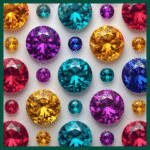
 Natural Faceted Gemstones
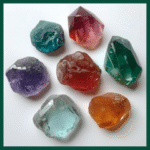 Natural Raw Crystals
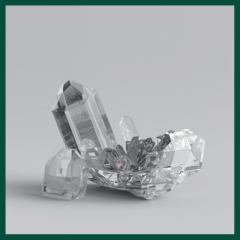 Natural Mineral Specimens
 Natural Gemstone Jewelry
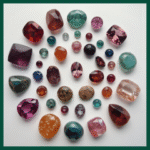 Natural Gemstone Beads
 Necklace Sets
 Earrings
 Bracelets
 Lockets
 Rings
RingsLab-Made Gemstones: Production Process, Advantages, and Disadvantages – Complete Guide

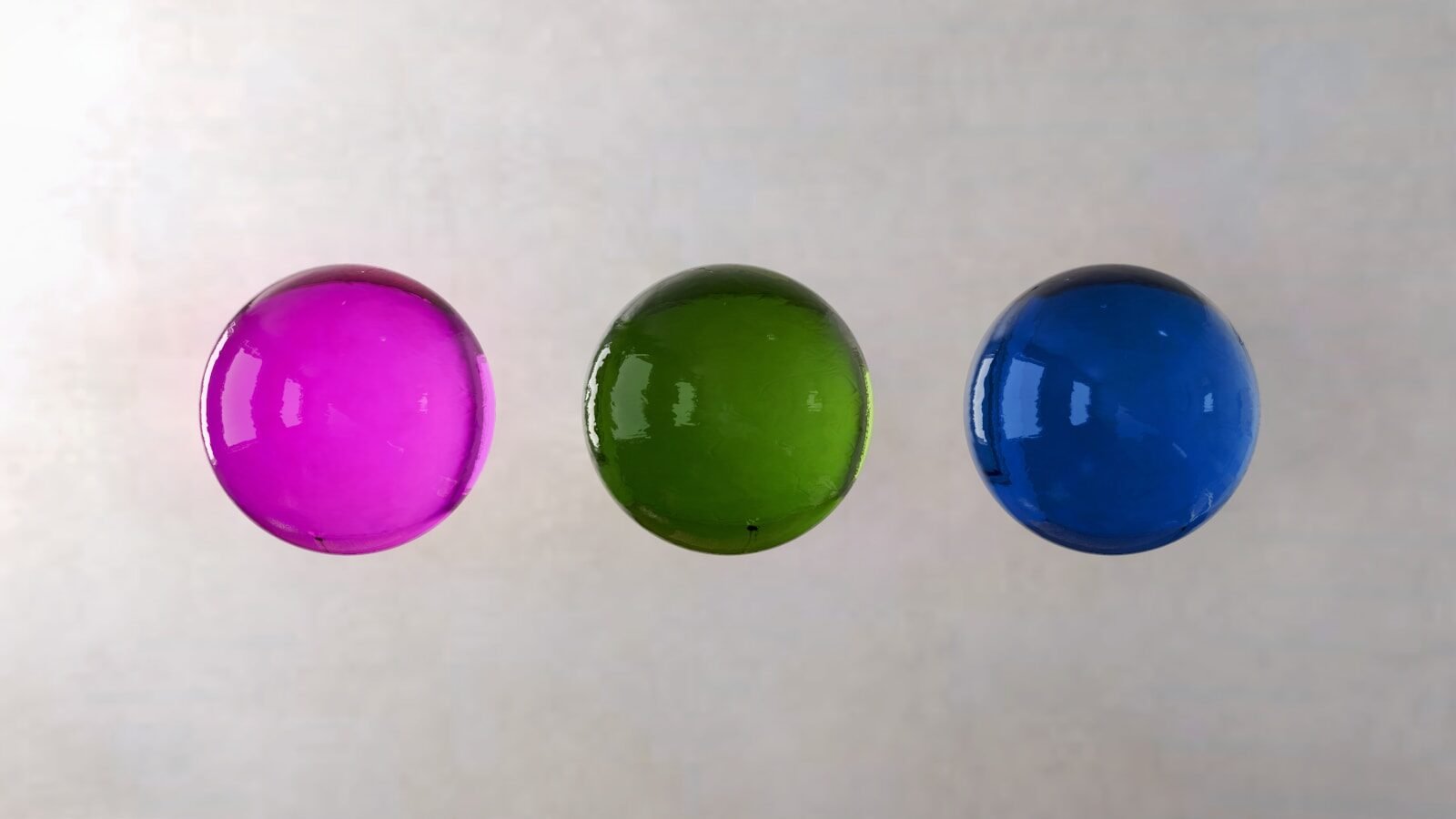
Lab-made gemstones, also known as lab-created or crafted gemstones, are becoming increasingly popular in the modern jewelry industry. These stones are chemically and physically identical to natural gemstones. However, technicians produce them in controlled laboratory environments instead of allowing them to form naturally inside the Earth.
In this guide, we will explore how lab-made gemstones are produced. Furthermore, we will examine their core benefits and limitations to help you make the best decision for your collection.
What Are Lab-Made Gemstones?
Lab-made gemstones are real gemstones created using advanced scientific techniques that replicate natural geological conditions. Advanced machinery copies the exact heat, pressure, and mineral formation found underground. Therefore, they are not imitation or fake stones. Instead, they represent true gemstones with a modern, alternative origin.
Popular examples include a lab-created ruby, lab-grown sapphire, lab-created emerald, and a high-clarity lab-grown diamond.
Production Process of Lab-Made Gemstones
Different gemstones require different scientific methods. Consequently, the primary goal is always to replicate natural crystal growth in a highly controlled environment:
1. Flame Fusion (Verneuil Method)
This is one of the oldest and most common manufacturing methods. During the process, technicians melt finely powdered minerals using a high-temperature flame. As the molten material slowly cools, a solid crystal boule forms. Lapidaries then cut and polish this boule into beautiful crafted rubies or crafted sapphires.
2. Hydrothermal Process
This sophisticated method successfully simulates natural underground thermal conditions. First, workers dissolve raw mineral materials in a hot, heavily pressurized water solution. Next, they place this solution into a sealed autoclave chamber. Crystals slowly grow over time layer by layer until technicians harvest and cut the finished crystals into fine emeralds or quartz gems.
3. Flux Growth Method
This method produces exceptionally high-quality crystals with fewer internal defects. Scientists dissolve raw minerals into a molten chemical flux. Slow cooling allows flawless crystal formation over several weeks. Finally, workers extract the high-quality gemstones, which is ideal for recreating an emerald, a natural ruby appearance, or alexandrite.
4. CVD & HPHT (For Lab Diamonds)
Two cutting-edge technological processes dominate modern diamond production:
- CVD (Chemical Vapor Deposition): A vacuum chamber breaks carbon gas into pure atoms, which slowly build a diamond layer by layer.
- HPHT (High Pressure High Temperature): Heavy machinery exposes pure carbon to extreme pressure and heat, forcing it to crystallize into a diamond structure.
Advantages and Disadvantages
Lab-created gemstones offer several important benefits. First, they come at a highly affordable price, making them significantly cheaper than rare natural stones. Second, because they require no mining, they promote ethical production with zero environmental destruction or labor exploitation. Finally, lab conditions allow better quality control, resulting in fewer inclusions and a more uniform color alignment.
However, they also carry some distinct limitations. For instance, they have a much lower resale value compared to earth-mined jewels. Collectors and investors usually prefer natural stones due to mineral rarity and geological history. Therefore, if you are looking for long-term heirloom value, buying a premium natural emerald or a mountain-born aquamarine pendant remains the superior choice.
Lab-Made vs Natural Stones (Quick Comparison)
| Feature | Lab-Made Stones | Natural Stones |
|---|---|---|
| Origin | Controlled Laboratory | Earth’s Crust |
| Price | Highly Affordable | Premium Investment |
| Rarity | Common / Unlimited | Extremely Rare |
| Clarity | High / Flawless | Natural Inclusions |
(Final Word)
Lab-made gemstones are transforming the global jewelry industry by offering a beautiful blend of visual perfection, affordability, and ethical sourcing. While they may not replace natural gemstones in terms of investment value, they remain an excellent choice for daily fashion and modern accessory designs. Ultimately, understanding their production process helps you make informed, confident choices in today’s evolving market.
Whether you choose the technological brilliance of lab gems or wish to explore our authentic, ethically sourced collection of natural Pakistani Gemstones, Yamama Gems is dedicated to bringing you the absolute best.