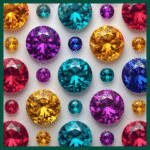
 Natural Faceted Gemstones
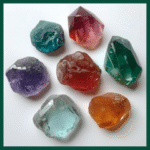 Natural Raw Crystals
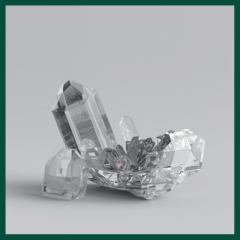 Natural Mineral Specimens
 Natural Gemstone Jewelry
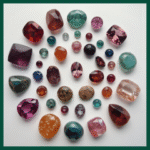 Natural Gemstone Beads
 Necklace Sets
 Earrings
 Bracelets
 Lockets
 Rings
RingsZircon vs Cubic Zirconia: Common Misconceptions, Truth, and How to Identify Them Correctly

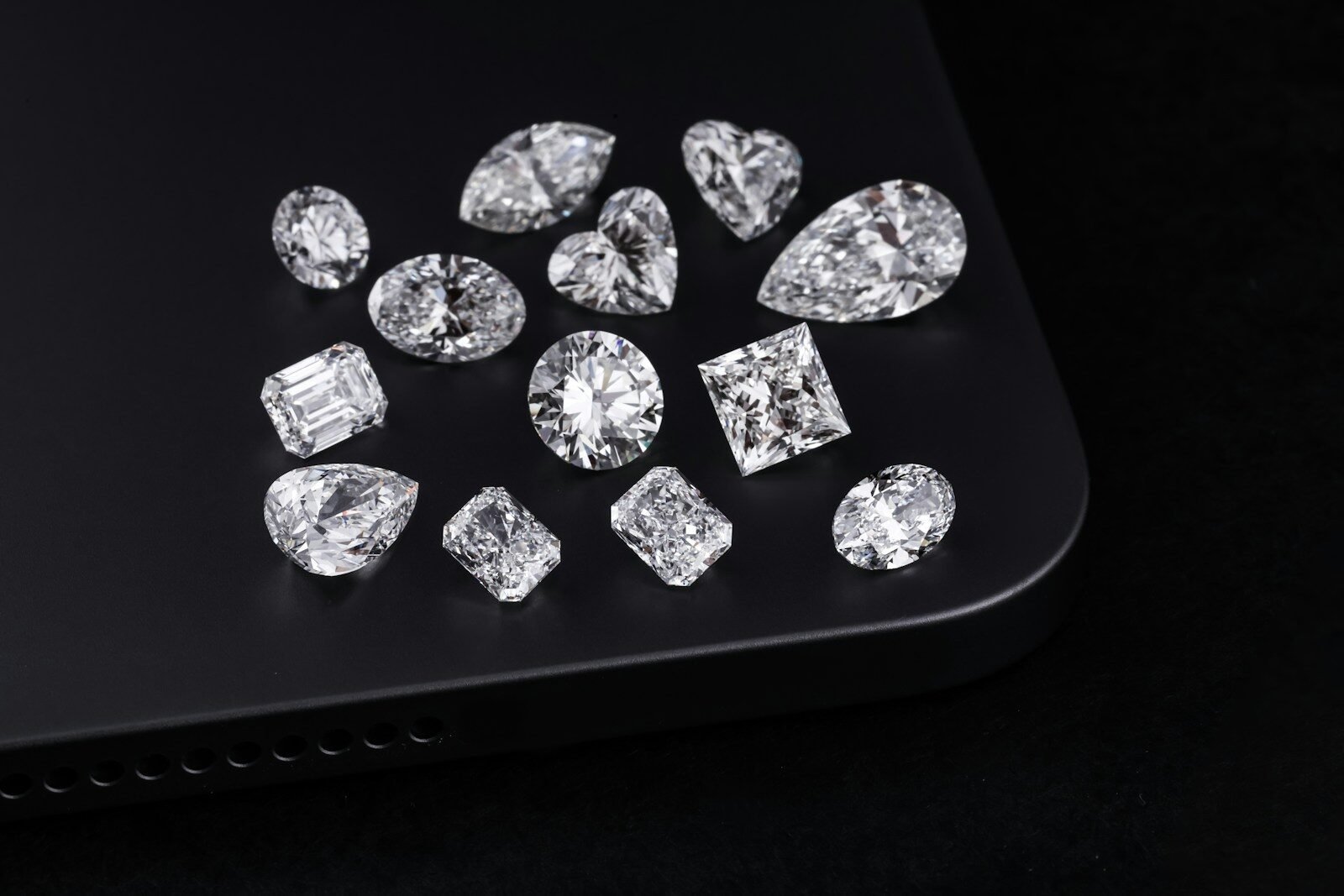
Many people in the global gemstone and jewelry market frequently confuse natural Zircon with Cubic Zirconia (CZ). Even though their names sound almost identical, they represent completely different materials with contrasting origins, optical properties, and market values. While one is an ancient treasure mined from the Earth, the other is an industrial product formulated inside a laboratory.
In this comprehensive guide, we will clear up the common misunderstandings surrounding zircon vs cubic zirconia. Specifically, we will break down their chemical frameworks, analyze their physical properties, and show you how to correctly identify each stone.
What is Zircon? (The Ancient Natural Mineral)
Zircon is an authentic, natural gemstone that forms within the Earth’s crust over millions of years through intense geological processes. Chemically classified as zirconium silicate ($ZrSiO_4$), it stands as the oldest known mineral on Earth, with some Australian specimens dating back over 4 billion years. Mined in prominent gemstone hubs like Sri Lanka, Cambodia, Myanmar, and Australia, natural zircon delivers a spectacular glass-like luster and a remarkably high refractive index that rivals diamonds.
It occurs natively in a wide palette of earthy colors, including warm browns, vibrant yellows, deep oranges, and rare greens. The most famous variety in modern jewelry is blue zircon, which is achieved through precise, traditional heat treatment of raw reddish-brown crystals.
What is Cubic Zirconia (CZ)? (The Lab-Grown Simulant)
Cubic Zirconia is a 100% man-made, synthetic crystal developed in specialized industrial laboratories. It consists of zirconium dioxide ($ZrO_2$) combined with chemical stabilizers like yttrium or calcium oxide to maintain its isometric symmetry. First commercially mass-produced in the 1970s, CZ was created specifically to serve as a low-cost diamond alternative.
Because it is synthesized under controlled laboratory conditions, it exhibits mathematically flawless clarity, zero natural inclusions, and an unnaturally perfect finish. While it features high visual appeal when brand new, it is an imitation stone rather than a genuine geological specimen.
Key Misconceptions Shattered
To navigate the luxury jewelry market with confidence, you must understand the realities behind these common industry myths:
- Myth: They are the same material under different names. Reality: They share the element zirconium, but their mineral structures are entirely distinct. Zircon is an earth-born silicate, whereas CZ is a laboratory oxide.
- Myth: Zircon is just a cheap placeholder. Reality: High-quality, untreated natural zircons—especially fine blue or imperial peach varieties—are highly collectible and fetch premium prices among connoisseurs.
- Myth: They react to light in the exact same way. Reality: Zircon is famous for its extreme double refraction (birefringence). As light passes through the stone, it splits into two separate rays. Conversely, CZ is singly refractive, meaning light travels through it in a single path.
Zircon vs Cubic Zirconia: Side-by-Side Comparison
The core differences between these two materials are clearly highlighted across their physical and optical properties:
| Gemstone Property | Natural Zircon | Cubic Zirconia (CZ) |
|---|---|---|
| Geological Origin | Natural Earth Crust (Ancient) | Industrial Lab (Modern Synthetic) |
| Chemical Formula | $ZrSiO_4$ | $ZrO_2$ |
| Optical Refraction | Strongly Double Refractive (Birefringent) | Singly Refractive (Isotropic) |
| Hardness (Mohs Scale) | 6.5 to 7.5 | 8.0 to 8.5 |
| Internal Clarity | Displays natural inclusions & facet doubling | Flawless / No natural blemishes |
| Long-Term Value | Moderate to Premium / Investment Grade | Very Low / Zero Resale Value |
How to Identify the Difference at Home
If you want to determine whether a loose stone is a natural zircon or a synthetic CZ, look closely at the facet edges under a standard 10x jeweler’s loupe. Because of zircon’s strong double refraction, looking down through the top flat table facet will reveal a visible “doubling” effect of the back pavilion facet junctions, making them look like parallel twin lines. Cubic Zirconia will never display this facet doubling because it is singly refractive.
Additionally, pay close attention to the overall weight of the stone. Cubic Zirconia is exceptionally dense and heavy, weighing up to 75% more than a natural gemstone of the exact same visual dimensions. Over extended periods of wear, CZ facet edges also tend to soften, scratch, and turn cloudy, whereas a well-cared-for zircon maintains its crisp, sharp internal fire.
When selecting pieces for your collection, investing in genuine earth-mined assets guarantees permanent aesthetic and financial reward. While exploring historic minerals, balancing your layout with other verified geological options is always a smart approach. Incorporating an unheated natural emerald, a deep crimson natural ruby, or a mountain-sourced aquamarine pendant ensures your fine jewelry showcase stands as a authentic, liquid financial legacy.
Final Word
While their names sound very similar due to a shared root element, Zircon and Cubic Zirconia belong to entirely different classes of jewelry. Natural zircon remains an elite, ancient gemstone celebrated for its rich history and exceptional fire. On the other hand, Cubic Zirconia serves as a highly practical, budget-friendly option for mass-market fashion accessories. Recognizing these core gemological traits prevents retail confusion and allows you to source with complete confidence.
At Yamama Gems, we take immense pride in providing complete marketplace clarity and premium, verified minerals. Explore our online storefront today to browse our selective inventory of ethically mined Pakistani Gemstones and global collector pieces tailored for those who value authenticity above all else.
How Cubic Zirconia is Made? Complete Scientific Lab Production Process (Step-by-Step Guide)