 Natural Faceted Gemstones
 Natural Raw Crystals
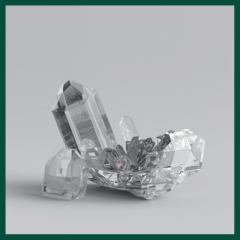 Natural Mineral Specimens
 Natural Gemstone Jewelry
 Natural Gemstone Beads
 Necklace Sets
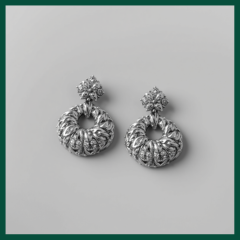 Earrings
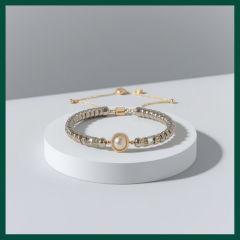 Bracelets
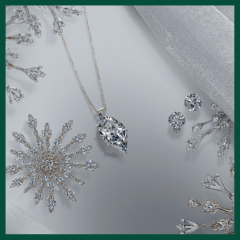 Lockets
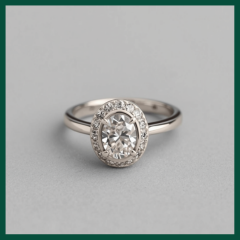 Rings
RingsHow Cubic Zirconia is Made? Complete Scientific Lab Production Process (Step-by-Step Guide)

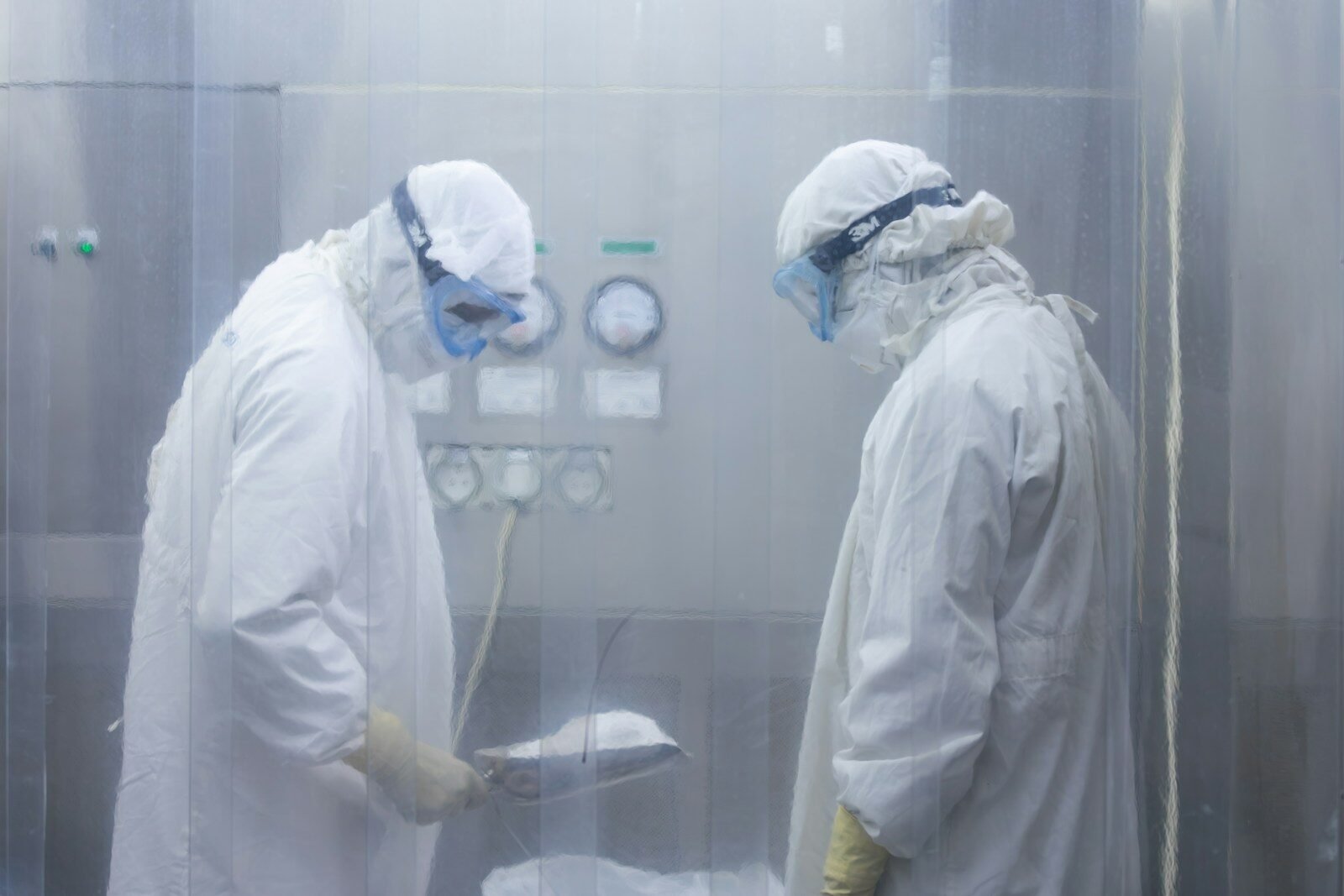
Cubic Zirconia (CZ) is one of the most widely used diamond alternatives in the jewelry industry. It is not a natural gemstone—it is a crafted crystal created in advanced laboratories using extremely high temperatures and controlled industrial processes.
In this guide, we will explain the complete scientific cubic zirconia production process, step by step, showing how raw minerals transform into brilliant stones.
What is Cubic Zirconia Made From?
Cubic Zirconia is made from a high-purity chemical compound called zirconium dioxide ($ZrO_2$). However, pure zirconium dioxide changes its crystal structure as it cools down, which can cause cracking. To improve stability and maintain a perfect crystal shape, manufacturers add small amounts of stabilizing materials such as:
- Yttrium oxide ($Y_2O_3$)
- Calcium oxide ($CaO$)
- Magnesium oxide ($MgO$)
Consequently, these vital stabilizers help the material form a dense, highly durable, and diamond-like cubic crystal lattice structure.
The Step-by-Step Production Process
The manufacturing of CZ is a highly controlled industrial process that requires extreme heat and precision. The journey from powder to gemstone follows these specific stages:
Step 1: Raw Material Preparation
Technicians select high-purity zirconium dioxide powder and mix it thoroughly with stabilizers in exact ratios. Because any foreign particle can cause discoloration, the mixture undergoes rigorous purification. The purity of the raw material directly affects the clarity of the final CZ stones.
Step 2: High-Temperature Skull Melting
Because zirconium dioxide has an incredibly high melting point, traditional crucibles would melt along with the mineral. Therefore, factories use a specialized water-cooled “skull crucible.” The machine raises the internal temperature above 2,700°C (4,900°F). As a result, the powder melts from the inside out, keeping a cool outer shell of unmelted powder to contain the glowing molten liquid.
Step 3: Crystal Growth and Solidification
Once completely melted, technicians slowly lower the heat source. During this controlled cooling phase, atoms automatically arrange themselves into a cubic system. Consequently, large, solid crystal blocks begin to form, which determines the final optical brilliance of the material.
Step 4: Boule Harvesting and Inspection
The fully solidified material forms a dense, heavy crystal mass known as a boule. Workers extract this boule and cut it into smaller, manageable rough sections using specialized diamond-tipped tools. Inspectors examine each piece under magnification to remove any defective parts.
Step 5: Faceting, Polishing, and Grading
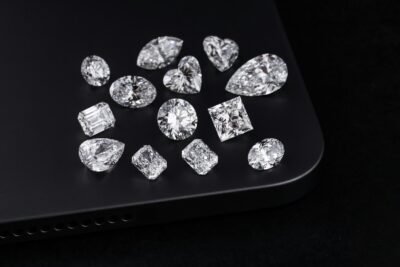
Skilled lapidaries shape the rough sections into classic gemstone cuts like round brilliant, princess, oval, or cushion cuts. They apply precise faceting to maximize light reflection and mimic a diamond’s natural sparkle. Finally, the stones are polished using ultra-fine abrasives to achieve a smooth, glass-like luster before undergoing strict quality grading for color consistency.
Why it Mimics Diamond (and Its Limitations)
Cubic Zirconia looks like a diamond because it possesses a high refractive index and lacks natural inclusions. However, CZ is physically heavier than a real diamond and scores lower on the Mohs hardness scale. Furthermore, lab-grown alternatives do not hold any long-term investment value because their supply chain is completely unlimited.
Therefore, if you want long-term heirloom security, choosing an earth-mined stone is much more rewarding. Authentic regional minerals are highly sought after by global collectors for their scarcity. Buying a verified natural emerald, a deep natural ruby, or an exquisite aquamarine pendant ensures your jewelry remains a true financial asset over generations.
Final Word
Cubic Zirconia is a scientifically engineered gemstone created through a brilliant high-temperature melting and crystallization process. From zirconium dioxide powder to sparkling faceted stones, every step is carefully managed inside a laboratory environment. This makes CZ an affordable and visually stunning alternative to diamonds for daily fashion wear around the world.
Whether you appreciate the high-tech precision of manufactured crystals or want to explore our exclusive collection of ethically sourced, natural Pakistani Gemstones, Yamama Gems provides full transparency for your peace of mind. Browse our online storefront today to find your perfect gemstone companion.
Swat Emerald — The Green Treasure of Pakistan’s Valleys Introduction