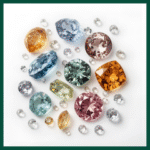
 Natural Faceted Gemstones
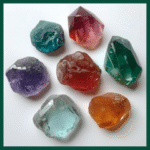 Natural Raw Crystals
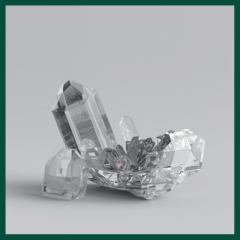 Natural Mineral Specimens
 Natural Gemstone Jewelry
 Natural Gemstone Beads
 Necklace Sets
 Earrings
 Bracelets
 Lockets
 Rings
RingsWhat is Cubic Zirconia? Where It is Made and Difference from Natural Zircon – Complete Guide

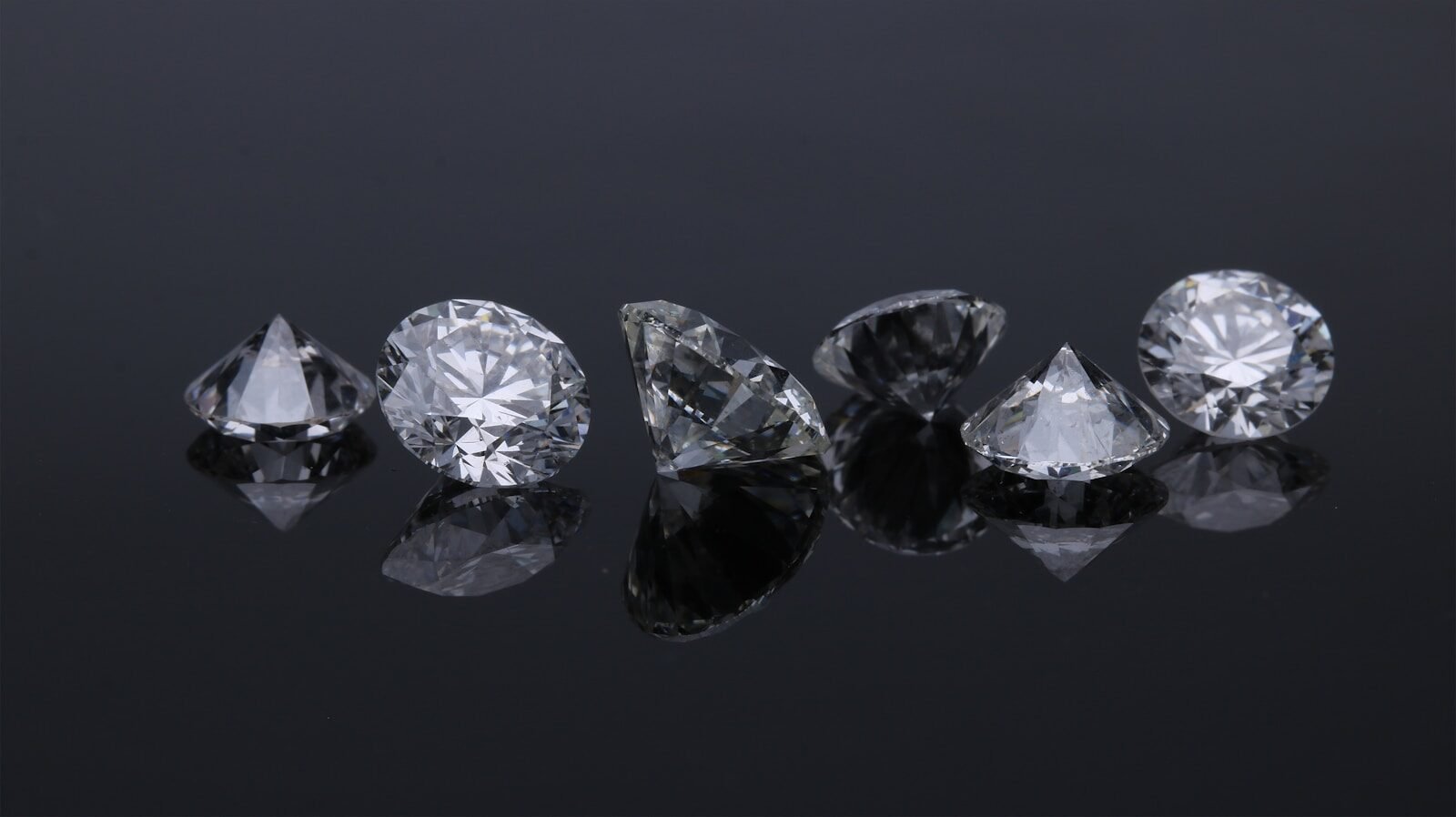
Cubic Zirconia (CZ) is one of the most popular diamond alternatives in the global jewelry market. Because of its brilliance, affordability, and diamond-like appearance, manufacturers widely use it in fashion and commercial jewelry. However, many buyers frequently confuse it with natural zircon, which represents a completely different mineral class.
In this complete guide, we will answer the fundamental question: what is Cubic Zirconia? Furthermore, we will explore where it is made, analyze its high-temperature production process, and highlight how it differs from earth-mined zircon.
What is Cubic Zirconia (CZ)?
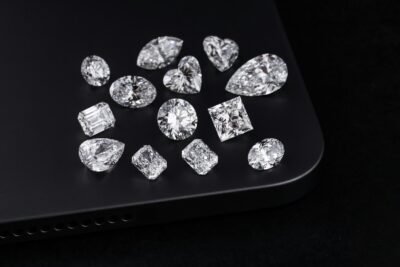
Cubic Zirconia is a synthetic, crafted gemstone that technicians create inside specialized laboratories. Chemically, it consists of zirconium dioxide ($ZrO_2$). Scientists melt this mineral compound and crystallize it under extreme thermal conditions. Consequently, CZ serves to mimic a diamond’s visual properties, providing a highly reflective facet structure suitable for mass jewelry production. It is important to note that Cubic Zirconia does not exist naturally in this specific structural form.
Where and How is CZ Manufactured?
Advanced industrial facilities primarily manufacture Cubic Zirconia in countries like China, Russia, the United States, and Hong Kong. The production relies on a specific high-temperature skull melting process:
- Raw Material Preparation: Technicians prepare pure zirconium oxide powder. Next, they add key stabilizers like calcium or yttrium to maintain structural integrity.
- High-Temperature Melting: Automated chambers heat the mixture above 2,700°C. As a result, the powder transforms into a uniform molten liquid.
- Crystal Formation: Controlled, gradual cooling allows solid cubic crystals to form as the melt solidifies.
- Cutting & Polishing: Lapidaries cut the large raw crystals into classic gemstone shapes. They apply precise faceting to maximize internal fire and diamond-like sparkle.
Cubic Zirconia vs Natural Zircon (The Crucial Difference)
The shared root name causes significant confusion in the retail market. However, these two items feature entirely unique chemical properties, origins, and values:
- Natural Zircon: This is an authentic semi-precious gemstone formed within the Earth’s crust over millions of years. It consists of zirconium silicate ($ZrSiO_4$) and displays natural inclusions.
- Cubic Zirconia (CZ): This is a 100% man-made crafted crystal. It consists of zirconium dioxide, exhibits flawless internal clarity, and acts primarily as a budget-friendly diamond imitation.
| Feature | Cubic Zirconia (CZ) | Natural Zircon |
|---|---|---|
| Origin | Controlled Laboratory | Earth’s Crust |
| Chemical Formula | $ZrO_2$ | $ZrSiO_4$ |
| Clarity Level | Flawless (No internal blemishes) | Contains natural inclusions |
| Market Price | Very low / Budget-friendly | Moderate to premium |
Market Pricing and Value Limitations
Because labs mass-produce CZ without expensive mining requirements, it remains one of the most affordable materials in fashion jewelry. In fact, it is often 99% cheaper than a genuine diamond. However, it offers low long-term durability and scratches relatively easily over time. Furthermore, it carries zero resale or investment value.
Therefore, if you desire true heirloom permanence or collector value, choosing an earth-mined alternative is ideal. For instance, consumers looking for rich history and lasting value consistently favor authentic regional minerals. Buying a verified natural emerald, a deep natural ruby, or an exquisite aquamarine pendant ensures your jewelry acts as a true financial and emotional asset.
Final Word
Cubic Zirconia is a brilliant, man-made gemstone designed to copy the look of a diamond at a minimal cost. It serves as an excellent option for costume jewelry and daily fashion accessories. Nevertheless, it remains entirely distinct from natural zircon, which is a genuine Earth-born treasure. Understanding this core difference ensures that jewelry businesses and retail buyers avoid market confusion and make informed purchasing decisions.
Whether you want to explore affordable fashion options or wish to purchase premium, ethically sourced Pakistani Gemstones, Yamama Gems provides the transparent data you need. Browse our verified online storefront today to view our high-quality natural inventory.