 Natural Faceted Gemstones
 Natural Raw Crystals
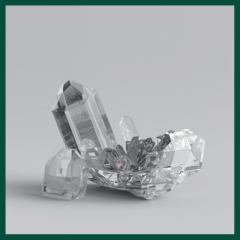 Natural Mineral Specimens
 Natural Gemstone Jewelry
 Natural Gemstone Beads
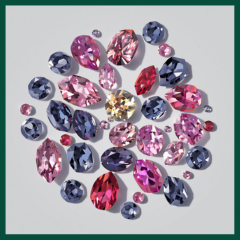 Cubic Zirconia Stones
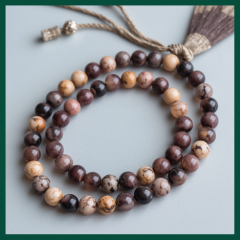 Synthetic Beads
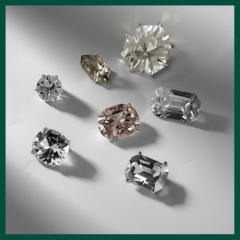 Synthetic Gemstones
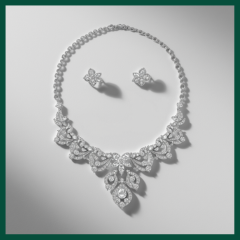 Necklace Sets
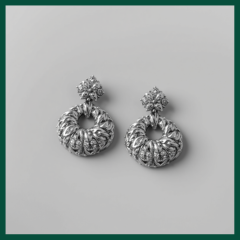 Earrings
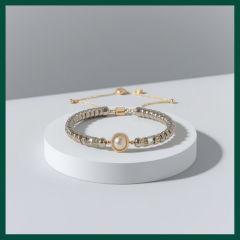 Bracelets
 Body Jewelry
 Lockets
 Rings
RingsThe World of Synthetic Gemstones: Types, Uses, Prices, and Market Trends – Complete Guide

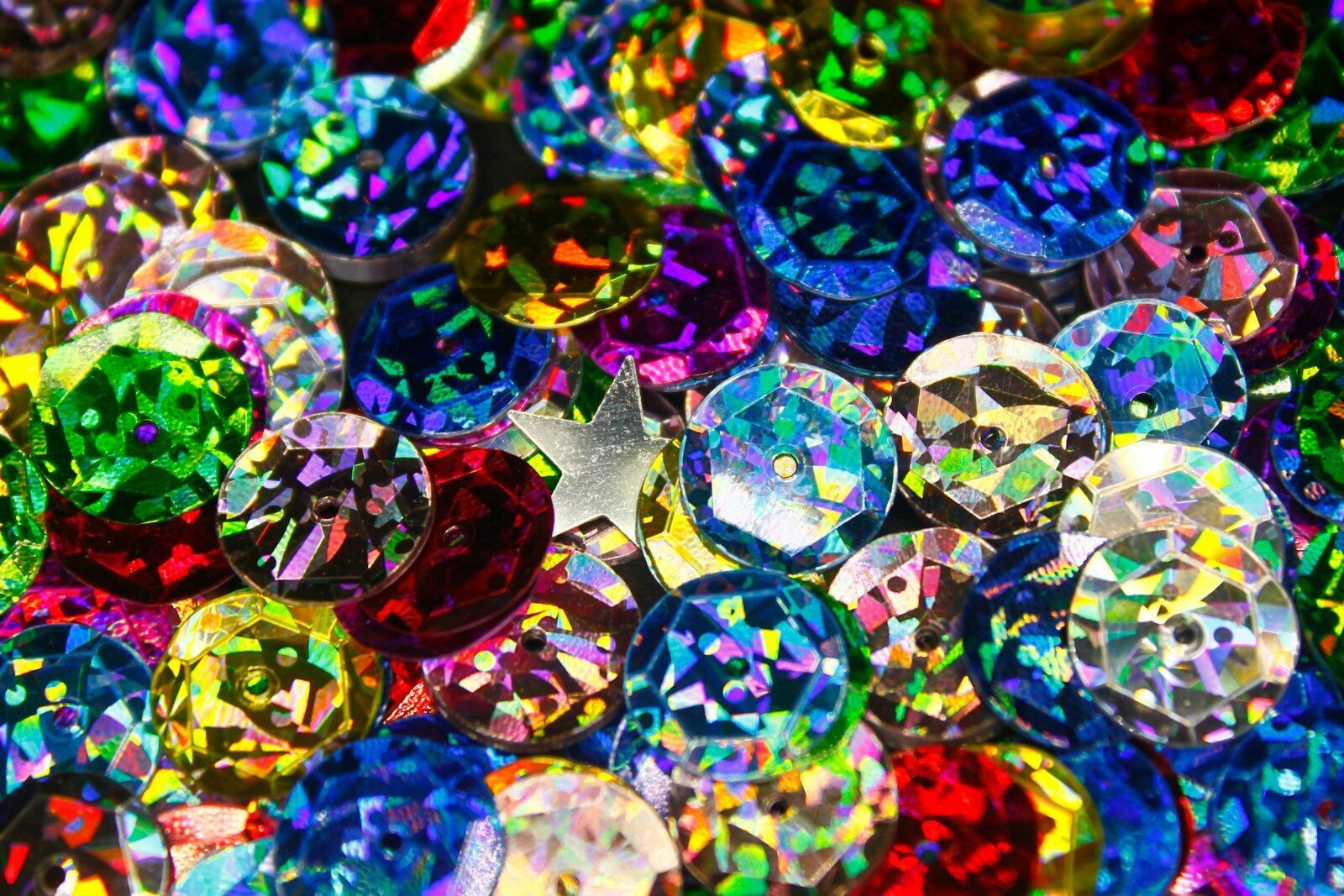
Synthetic gemstones have transformed the global jewelry industry. Once considered an alternative to natural stones, they are now widely accepted for their beauty, affordability, and consistent quality. Today, they are used not only in fashion jewelry but also in technology and industrial applications.
In this complete guide, we will explore the world of synthetic gemstones, including their types, uses, pricing, and current market trends.
What Are Synthetic Gemstones?
Synthetic gemstones are man-made stones created in laboratories using advanced scientific techniques that replicate the natural formation of gemstones inside the Earth.
They have:
- Same chemical composition
- Same crystal structure
- Same optical properties
The only difference is their origin: lab vs natural formation.
Types of Synthetic Gemstones
Synthetic gemstones come in many varieties depending on the method of production and the type of natural stone they imitate.
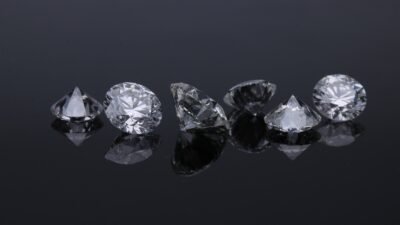
1. Synthetic Diamonds
Produced using:
- HPHT (High Pressure High Temperature)
- CVD (Chemical Vapor Deposition)
Used in:
- Engagement rings
- Luxury jewelry
- Industrial cutting tools
2. Synthetic Ruby
Created mainly using flame fusion or flux growth methods.
Used in:
- Rings
- Necklaces
- Watches
Known for deep red color and high durability.
3. Synthetic Sapphire
Available in many colors like:
- Blue
- Pink
- Yellow
Used in:
- Jewelry
- Watch crystals
- Electronics
4. Synthetic Emerald
Produced using hydrothermal or flux growth methods.
Used in:
- Luxury jewelry
- Designer collections
Known for vibrant green color and clarity.
5. Synthetic Quartz
One of the most widely produced synthetic stones.
Used in:
- Jewelry
- Electronics
- Timekeeping devices (watches)
Uses of Synthetic Gemstones
Synthetic gemstones are widely used in different industries:
1. Jewelry Industry
- Rings
- Earrings
- Necklaces
- Bracelets
They offer beautiful appearance at affordable prices.
2. Industrial Applications
- Cutting tools
- Grinding wheels
- Drilling equipment
Due to hardness and durability.
3. Electronics & Technology
- Quartz crystals in watches
- Laser technology
- Semiconductor industry
4. Fashion Industry
Used in:
- Accessories
- Designer wear
- Decorative items
Price of Synthetic Gemstones
One of the biggest advantages of synthetic gemstones is their affordable price.
Why are they cheaper?
- No mining required
- Controlled production
- Unlimited supply
Price comparison:
| Type | Price Level |
|---|---|
| Natural gemstones | Very high |
| Synthetic gemstones | Low to moderate |
Synthetic stones can be 50% to 90% cheaper than natural gemstones depending on quality and type.
Market Trends of Synthetic Gemstones
The global gemstone market is changing rapidly, and synthetic stones are playing a major role.
1. Growing Demand in Jewelry Industry
More jewelry brands are now offering:
- Lab-grown diamonds
- Synthetic sapphires and rubies
2. Eco-Friendly Buying Trend
Customers prefer synthetic stones because:
- No mining impact
- Lower environmental damage
- Ethical sourcing
3. Rise of Lab-Grown Diamonds
Lab diamonds are becoming extremely popular in:
- Engagement rings
- Luxury fashion jewelry
4. Online Jewelry Market Growth
E-commerce platforms are increasing the sales of synthetic gemstones due to:
- Transparency
- Lower prices
- Wider availability
5. Acceptance in Luxury Markets
Even high-end brands are now using synthetic stones in their collections.
Advantages of Synthetic Gemstones
- Affordable pricing
- High clarity and beauty
- Environmentally friendly
- Consistent quality
- Wide availability
Disadvantages
- Lower resale value
- Less rarity compared to natural stones
- Market confusion among buyers
Future of Synthetic Gemstones
The future looks very strong for synthetic gemstones:
- Lab-grown diamonds expected to dominate mid-range jewelry
- Increased demand for sustainable products
- Technological improvements in production quality
- Wider acceptance in luxury fashion markets
Synthetic gemstones are no longer just alternatives—they are becoming a mainstream choice.
Conclusion
Synthetic gemstones have reshaped the jewelry world with their affordability, beauty, and ethical advantages. From diamonds to emeralds, these stones offer excellent quality at a fraction of the price of natural gemstones. With rising global demand and eco-friendly trends, the future of synthetic gemstones is extremely promising.