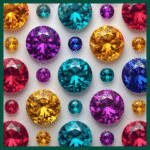
 Natural Faceted Gemstones
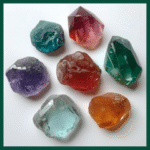 Natural Raw Crystals
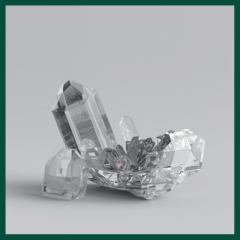 Natural Mineral Specimens
 Natural Gemstone Jewelry
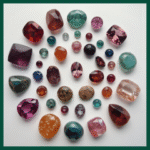 Natural Gemstone Beads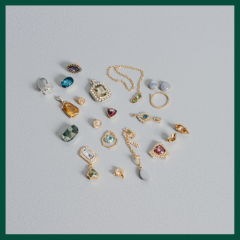
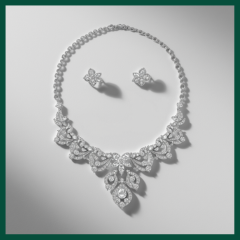 Necklace Sets
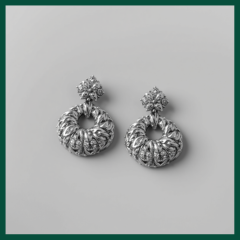 Earrings
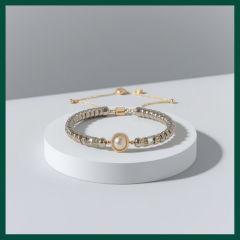 Bracelets
 Lockets
 Rings
RingsHow to Identify a Real Gemstone vs Fake (Complete Guide)


The rapidly expanding global luxury jewelry industry attracts millions of enthusiastic buyers and asset investors every single year. However, this massive market demand has also caused a dramatic rise in sophisticated manufactured look-alikes and cheap glass replicas. For this reason, mastering how to safely analyze a mineral’s raw physical properties before buying has become an absolute necessity. Comparing specific test results helps you easily separate premium, earth-grown crystal assets from worthless polymer imitations. Ultimately, learning to identify a real gemstone vs fake protects your hard-earned financial capital, ensures long-term asset security, and guarantees your personal custom layouts feature completely genuine treasures.
In this professional collector’s framework, we will detail exactly how to identify a real gemstone vs fake. In addition, we will explain the advanced structural testing methods and precise laboratory indicators used to verify authentic specimens with complete commercial confidence.
Understanding Market Classifications: Natural, Lab-Grown, and Imitation
To evaluate fine mineral stocks with absolute clarity, you must first separate the three distinct categories circulating within global retail channels. First, entirely natural specimens develop deep within the earth over immense geological timelines, acquiring high intrinsic asset worth. Second, crafted or laboratory-created gems possess the exact same chemical, physical, and optical profiles as natural stones, though they lack structural historical rarity. Finally, imitation products are created cheaply using common glass, plastics, or lab-made resins. These fake items merely mimic the face-up color of high-value stones. Consequently, identifying these core structural lines remains your absolute best defense against modern trading fraud.
Comparative Analytical Matrix: Real vs. Synthetic Imitations
Authentic earth-mined assets show distinct physical and thermal characteristics that artificial materials simply cannot replicate under standard conditions. Review this straightforward baseline layout to understand these major differences:
| Physical Property | Authentic Earth-Mined Mineral | Glass or Plastic Imitation |
|---|---|---|
| Mohs Hardness Metric | Consistently high (7 to 9+); easily resists standard steel blade scratches. | Significantly lower (~5.5 or less); damages easily under minor physical friction. |
| Thermal Conductivity | Absorbs heat very slowly, feeling distinctly cold to human touch. | Conducts heat rapidly, matching room temperature almost instantly. |
| Internal Structural Patterns | Features organic growth lines, color zoning, or natural mineral fingerprints. | Exhibits spherical gas air bubbles, curved factory swirl lines, or flawless clarity. |
Practical Inspection Techniques for Smart Buyers
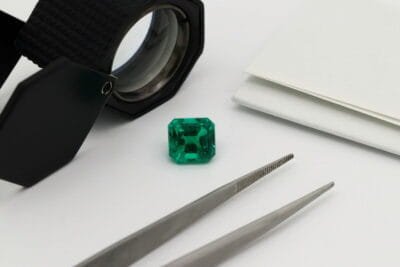
You can perform several straightforward tests on loose stones right at the trading counter using simple tools. For example, using a standard 10x jeweler’s loupe lets you inspect a specimen’s internal landscape closely. While completely flawless clarity might seem ideal, it often suggests a manufactured origin. Authentic minerals nearly always retain delicate internal inclusions, known as “jardin” in beryl or silk in corundum. Furthermore, performing a quick thermal breath test provides immediate clues. The surface condensation on a highly dense natural crystal vanishes almost instantly, while fog lingers on low-density glass imitations for several seconds. Therefore, combining these primary observations dramatically reduces your commercial risk.
Moreover, certain rare gemstones require advanced gemological testing equipment to confirm absolute authenticity. Professional laboratories use specific gravity liquids, refractometers, and spectroscopes to measure precise chemical compositions. However, regardless of the stone’s appearance, demanding an independent laboratory certificate remains entirely non-negotiable. A verified grading document clearly discloses any heat enhancements and confirms natural origin, successfully shielding your investment capital from modern imitations.
Strategic Recommendations for Your Presentation Layout
Curating a truly mesmerizing luxury display requires playing with rich, purposeful visual contrasts. While holding individual color stones targets specific styling preferences, expanding your layout with alternating high-value assets ensures long-term portfolio versatility and asset safety. For example, you can source a pristine, icy Hunza aquamarine from northern Pakistan to capture rare alpine beauty. Additionally, you can introduce a rich green natural emerald to project executive intelligence. Finally, placing an elite, sun-kissed yellow sapphire alongside your choices ensures your personal layout achieves flawless balance, market trust, and timeless design harmony.
Final Word
Ultimately, learning to spot the distinct differences between natural structures and manufactured imitations ensures an elite, highly secure buying experience. Prioritizing verified physical properties protects your hard-earned capital while supporting the collection of investment-grade assets. By partnering with a transparent, laboratory-verified vendor, you can safely explore these magnificent global treasures with complete peace of mind.
At Yamama Gems, we maintain a strict dedication to transparent stone grading, ethical extraction methods, and certified authenticity. Explore our verified online store today to browse our selective, hand-cut inventory of genuine Pakistani Gemstones and rare global assets curated specifically for passionate connoisseurs.