 Natural Faceted Gemstones
 Natural Raw Crystals
 Natural Mineral Specimens
 Natural Gemstone Jewelry
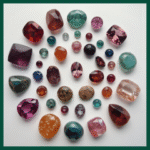 Natural Gemstone Beads
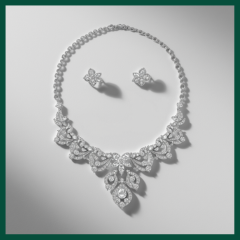 Necklace Sets
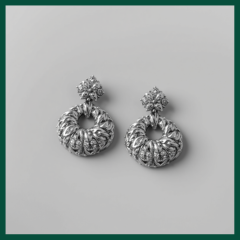 Earrings
 Bracelets
 Lockets
 Rings
RingsCrafted vs Natural Stones: Difference, Uses, and Market Price – Complete Guide

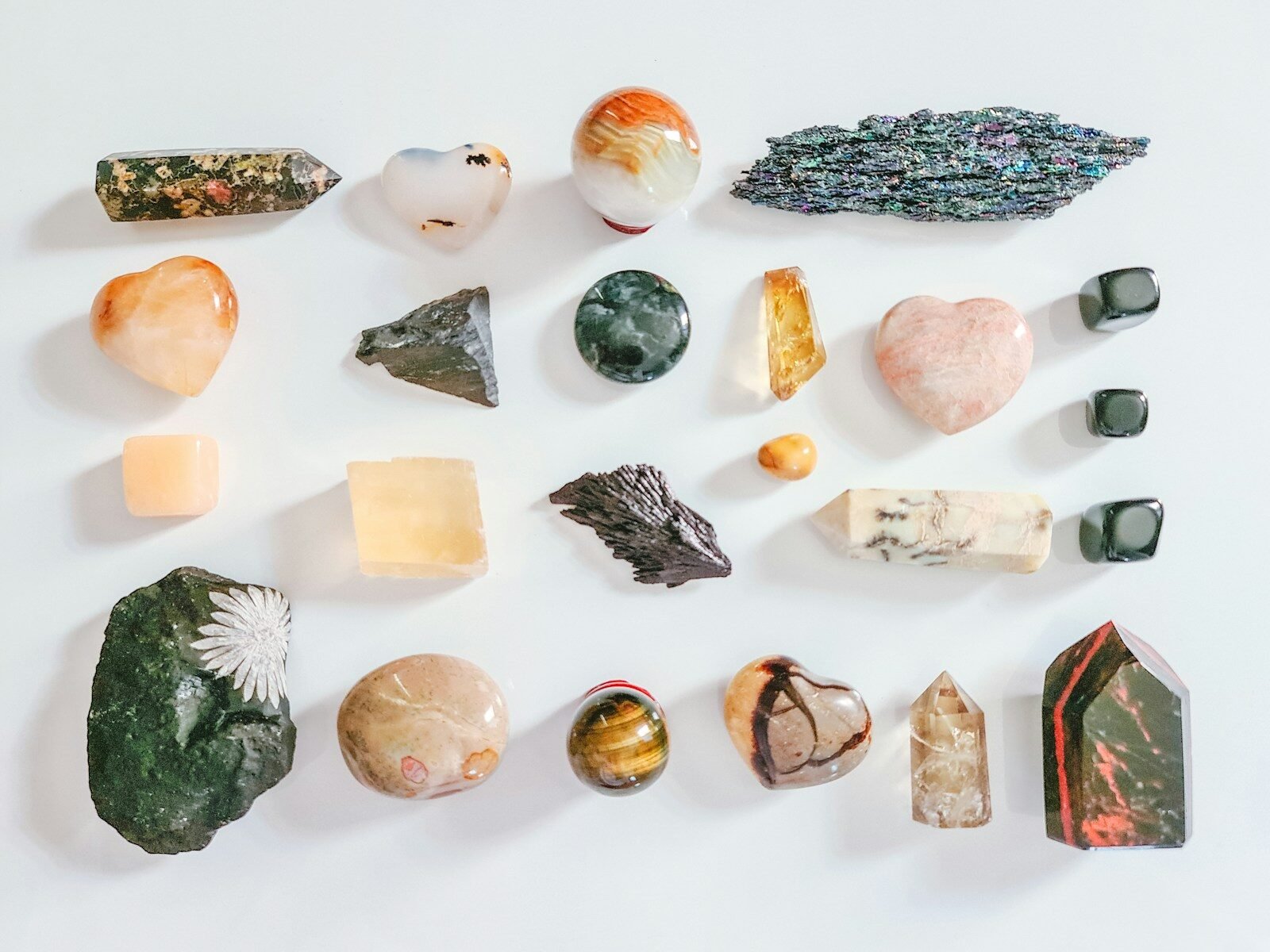
Gemstones have always been a symbol of beauty, luxury, and emotional value. In today’s jewelry market, buyers often come across two major categories: natural gemstones and lab-created gemstones. Although they look remarkably similar, their origin, value, and market behavior are very different.
In this guide, we will break down everything you need to know about crafted vs natural stones. Specifically, we will examine their formation processes, practical uses, and major price differences to help you make an informed choice.
What Are Natural Gemstones?
Natural gemstones form deep inside the Earth over millions of years through intense geological processes. Extreme heat, immense pressure, and complex mineral reactions combine to create these treasures. Consequently, natural stones are highly valued for their rarity and absolute uniqueness.
- Origin: Formed naturally in the Earth’s crust.
- Supply: Highly rare and limited in supply.
- Appearance: Contain unique internal inclusions (nature’s fingerprint).
- Uniqueness: Each stone is completely one-of-a-kind.
Famous examples include a rare natural ruby, vibrant sapphire, or a premium natural emerald.
What Are Crafted (Lab-Created) Stones?
Crafted gemstones grow inside modern laboratories using advanced technology that replicates natural geological conditions. Therefore, they are not “fake” or plastic stones. In fact, they possess the exact same chemical composition, crystal structure, and physical properties as natural gemstones.
- Origin: Created in controlled laboratory environments.
- Structure: Share the identical chemical structure as natural stones.
- Appearance: Usually much more flawless with fewer blemishes.
- Supply: Readily available in large quantities on demand.
In short, crafted stones represent real gemstones with a modern, human-assisted origin.
Main Differences Between Crafted and Natural Stones
To understand how these two categories behave in the market, we can directly compare their core characteristics:
| Feature | Natural Stones | Crafted Stones |
|---|---|---|
| Origin | Earth (Takes millions of years) | Laboratory (Takes weeks or months) |
| Rarity | Very rare and limited | Easily available on demand |
| Appearance | May have natural inclusions | Often very clean and perfect |
| Price | Premium market pricing | 50% to 90% cheaper than natural |
| Value | High resale and investment value | Low resale value |
How Are Crafted Stones Made?
Scientists utilize sophisticated scientific methods to mimic the earth’s natural forces inside a lab. The three most common manufacturing methods include:
- Flame Fusion (Verneuil Method): Workers melt powdered minerals using high-temperature flames. As the material cools down, it gradually crystallizes into a raw crystal boule. This method is highly effective for rubies and sapphires.
- Hydrothermal Process: This technique uses high pressure and water-based chemical solutions. Because it mimics underground thermal conditions, it is excellent for growing fine synthetic quartz and emeralds.
- Flux Growth Method: Raw minerals slowly dissolve in a molten chemical flux material. Consequently, it allows for slow, high-quality crystal formation over time, producing top-tier lab gems.
Market Pricing and Practical Applications
Price remains one of the biggest differences when comparing crafted vs natural stones. Natural gemstones are expensive due to high mining costs and mineral scarcity. Therefore, their value increases over time based on color quality, weight, and geographical origin. Collectors often view rare earth-mined stones as excellent long-term investment assets.
Conversely, crafted gems are 50% to 90% cheaper because they do not require expensive mining operations. This affordability makes them highly popular for everyday fashion accessories, commercial jewelry design, and even industrial cutting tools. For instance, you can buy a beautiful aquamarine pendant look at a fraction of the traditional cost using lab alternatives.
Which One Should You Choose?
Your final choice depends entirely on your personal preferences, budget, and goals:
- Choose Natural Stones if: You want long-term heirloom value, prefer rare geological history, or are investing in precious commodities.
- Choose Crafted Stones if: You want a completely budget-friendly option, prefer a flawless physical appearance, or want eco-friendly jewelry alternatives.
Conclusion
Crafted and natural gemstones both hold a unique place in today’s global jewelry market. Natural stones offer unbeatable rarity and investment security, while crafted stones deliver remarkable affordability and visual perfection. Ultimately, understanding these core differences helps you buy gemstones online with complete confidence.
Whether you appreciate the high-tech precision of crafted gems or wish to explore our exclusive collection of ethically sourced, natural Pakistani Gemstones, Yamama Gems is proud to support your jewelry journey.