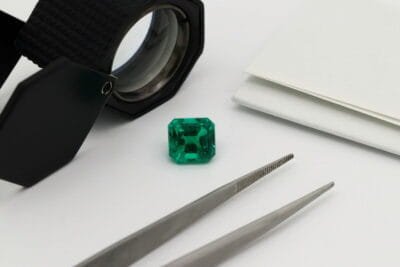
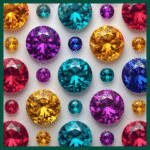
 Natural Faceted Gemstones
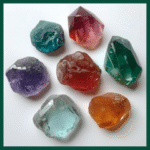 Natural Raw Crystals
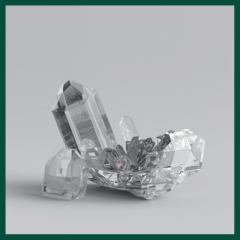 Natural Mineral Specimens
 Natural Gemstone Jewelry
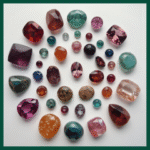 Natural Gemstone Beads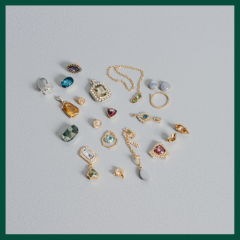
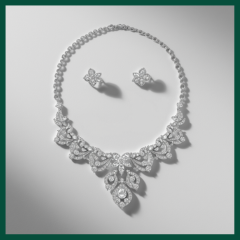 Necklace Sets
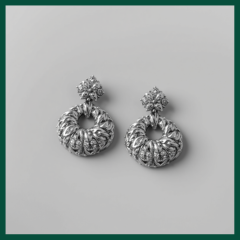 Earrings
 Bracelets
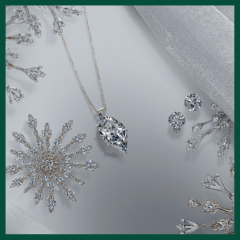 Lockets
 Rings
RingsLab-Created and Crafted Gemstones: What They Are and How They Are Made – A Complete Guide

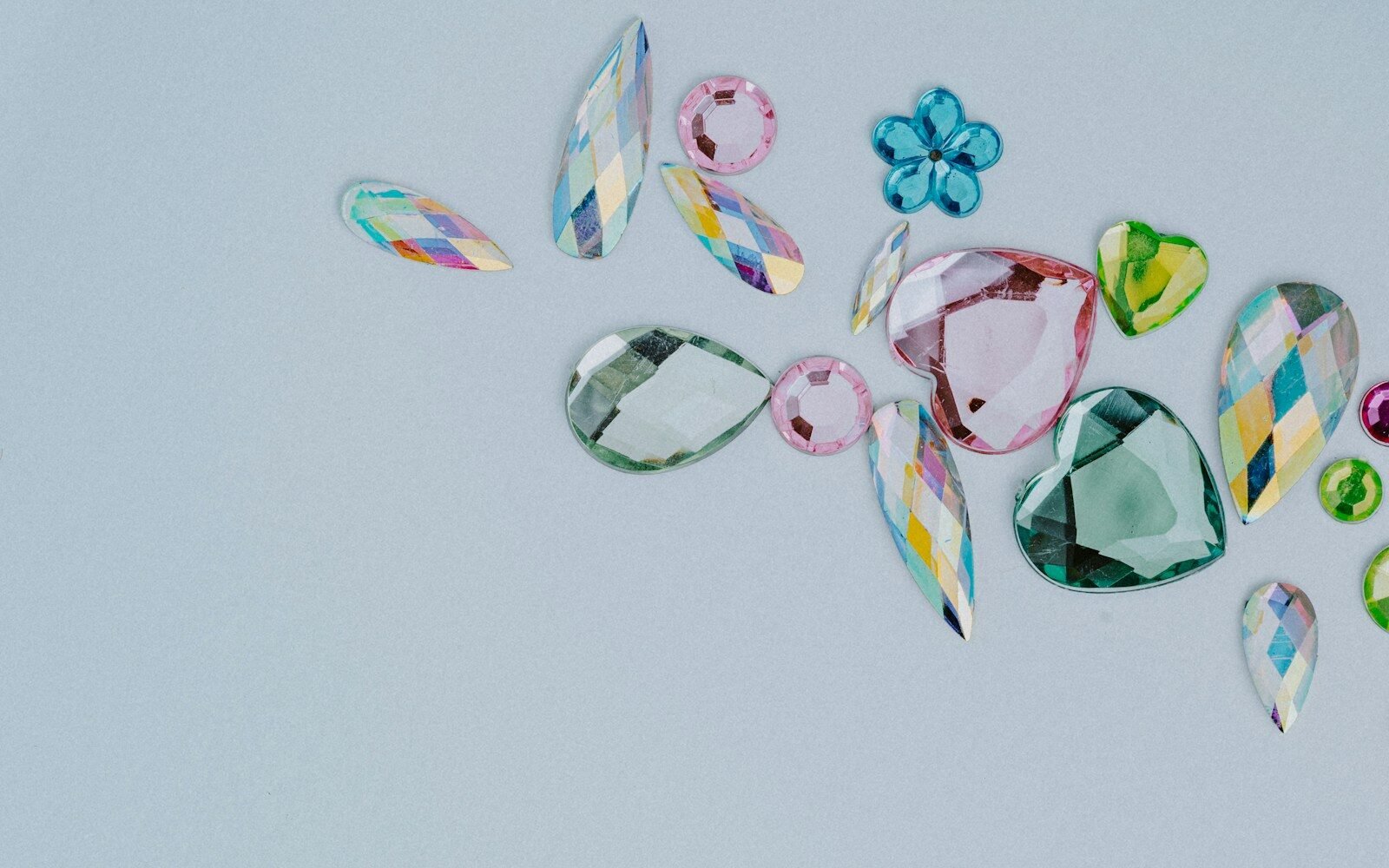
Gemstones have fascinated humans for thousands of years due to their beauty, rarity, and value. In recent years, a new category of gemstones has gained massive popularity in the jewelry market: lab-created and crafted gemstones. These stones are widely used in jewelry, fashion, and even industrial applications. However, many people still wonder—what exactly are they, and how are they made?
In this complete guide, we will explore everything about lab-created gemstones and crafted alternatives. Specifically, we will examine their formation processes, physical properties, practical uses, and the price differences compared to earth-mined natural stones.
What Are Lab-Created Gemstones?
Lab-created gemstones are real gemstones that scientists produce in controlled laboratory environments. Remarkably, they exhibit the exact same chemical, physical, and optical properties as natural gemstones. Therefore, the only true difference lies in their origin:
- Natural Gemstones: These form deep within the Earth over millions of years under unpredictable geological conditions.
- Lab-Created Gemstones: Technicians grow these stones in modern labs within a matter of weeks or months. Famous examples include lab-created sapphire, lab-created ruby, lab-grown emerald, and lab diamonds.
What Are Crafted Gemstones?
The term “crafted gemstones” often appears interchangeably with lab-created stones, but a slight difference exists in traditional gemology. Crafted stones represent man-made replicas that perfectly copy the composition and structure of natural pieces using advanced scientific techniques. However, in today’s commercial markets, sellers usually use both terms to describe high-quality, man-made gemstones that mimic natural ones.
How Are Lab-Created and Crafted Gemstones Made?
Laboratories utilize several advanced scientific methods to grow high-quality crystals. The most common methods include:
1. Flame Fusion Method (Verneuil Process)
This is one of the oldest and most cost-effective manufacturing methods available today. During this process, automated machines drop powdered raw materials through a high-temperature flame to melt them. As the liquefied material drops, it slowly crystallizes upon cooling. This forms a cylindrical crystal “boule” that lapidaries later cut and polish into crafted rubies or sapphires.
2. Flux Growth Method
This sophisticated method closely mimics natural crystal formation inside the Earth’s crust. Technicians dissolve raw mineral materials into a molten chemical flux solution. Over time, crystals slowly grow as the liquid solution cools down. Consequently, this produces high-quality stones with fewer internal defects, making it ideal for creating fine emeralds, rubies, and alexandrite.
3. Hydrothermal Method
This method uses extreme high pressure and high temperature, duplicating the exact geological conditions found in underground thermal vents. Workers place specific source chemicals into a sealed, high-pressure steel chamber. As a result, crystals form gradually within a water-based solution over several weeks. Laboratories successfully use this method to grow synthetic quartz, emeralds, and other beryl group stones.
4. CVD and HPHT (For Diamonds)
Two distinct, cutting-edge technologies dominate the production of lab-grown diamonds:
- CVD (Chemical Vapor Deposition): Technicians break down carbon-rich gas into pure carbon atoms inside a vacuum chamber. These atoms slowly build a diamond layer by layer on a substrate seed.
- HPHT (High Pressure High Temperature): Machines expose pure carbon to intense physical pressure and extreme heat until it crystallizes into a classic diamond structure.
Physical Properties and Authenticity
Are lab-created gemstones real? Yes, they are 100% real gemstones rather than fake glass imitations. Because they share the identical physical, optical, and chemical structure of natural stones, they score the exact same hardness on the Mohs scale. Even professional gemologists often require specialized laboratory equipment to differentiate a lab-grown specimen from a natural ruby or sapphire.
| Gemstone Type | Market Price | Consistent Availability |
|---|---|---|
| Natural Gemstones | Very expensive due to mining rarity | Limited and rare |
| Lab-Created Gemstones | Highly affordable and budget-friendly | Easily available on demand |
Advantages of Choosing Lab-Created Gems
Crafted stones offer several fantastic benefits for the modern consumer. First, they are highly environmentally friendly because they bypass large-scale mining operations. Second, they provide exceptional clarity and vibrant color consistency at a fraction of the cost. Finally, they guarantee consistent market availability without ethical sourcing concerns.
However, keep in mind that they carry a lower resale value compared to rare natural alternatives. Many collectors still prefer the historical allure of earth-mined gems, such as a premium natural emerald or a mountain-born aquamarine pendant.
Conclusion
Lab-created and crafted gemstones are revolutionizing the modern jewelry industry. They seamlessly blend beauty, affordability, and sustainability into an excellent alternative to traditional jewelry components. Ultimately, understanding these scientific differences helps you make smarter, more confident decisions in the gemstone market.
Whether you prefer lab-grown innovations or wish to explore our exclusive collection of ethically sourced, natural Pakistani Gemstones, Yamama Gems is always here to guide your journey.