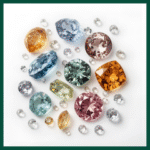
 Natural Faceted Gemstones
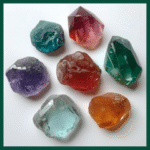 Natural Raw Crystals
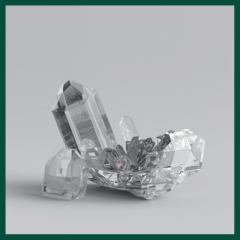 Natural Mineral Specimens
 Natural Gemstone Jewelry
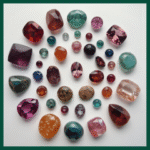 Natural Gemstone Beads
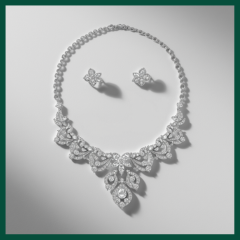 Necklace Sets
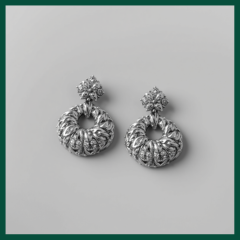 Earrings
 Bracelets
 Lockets
 Rings
RingsTopaz Gemstone: Natural vs Crafted Comparison


The global jewelry market holds immense appreciation for fine aluminum silicate minerals ($Al_2SiO_4(F,OH)_2$). Among these highly sought-after crystals, the topaz gemstone stands out due to its supreme architectural hardness and brilliant vitreous luster. Historically, collectors have pursued this stone across a spectacular spectrum of natural colors, ranging from icy sky blues to rare, sun-kissed imperial shades. Today, however, modern laboratory advancements have introduced cultivated alternatives to retail spaces. For this reason, savvy buyers must understand the core parameters that separate earth-grown matrices from manufactured options before completing an investment.
In this specialized educational framework, we will clarify the exact structural difference between natural and crafted topaz. In addition, we will break down the pricing tiers governing both sectors. We will also outline the primary quality metrics required to identify premium specimens with absolute commercial confidence.
Understanding the Core Geological Differences
Authentic natural topaz forms deep within granite pegmatites and volcanic cavities over vast geological timelines. Boasting a highly impressive hardness rating of 8 on the Mohs scale, this resilient mineral easily withstands the friction of heavy daily wear. In contrast, crafted or laboratory-created topaz is grown inside controlled technological facilities. While these lab specimens replicate the exact physical, chemical, and optical properties of the natural crystal, they lack the historical rarity and unique internal microscopic inclusions that define earth-mined assets.
Comparative Analytical Matrix: Natural vs. Crafted
Choosing between these two distinct product paths depends heavily on your budget, styling goals, and inventory needs. Review this straightforward structural breakdown to assess your next acquisition strategy:
| Evaluation Metric | Natural Earth-Mined Topaz | Crafted Laboratory Topaz |
|---|---|---|
| Geological Rarity | Highly limited; dependent on active global mining deposits. | Virtually unlimited; manufactured consistently based on market demand. |
| Internal Clarity Baseline | Displays organic growth lines, liquid veils, or minor mineral fingerprints. | Flawless and uniform clarity throughout the entire crystal pavilion. |
| Long-Term Valuation | Retains strong intrinsic asset worth and generational collector value. | Maintains low resale value, serving primarily as an affordable fashion asset. |
The Complete Topaz Price and Variety Guide
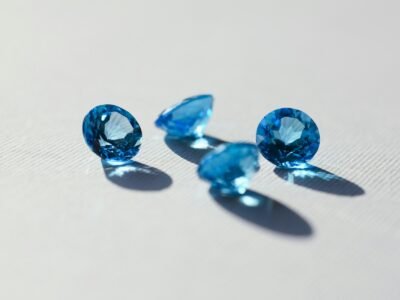
Market evaluation for this mineral group shifts dramatically based on color saturation and scarcity. To clarify, white and common blue topaz are highly abundant, keeping their pricing within an accessible range of $10 to $50 per carat. Mid-tier selections, including rich golden yellow, sherry, and natural pink topaz, command higher premiums ranging from $50 to $300 per carat because they are far less common in nature.
Furthermore, the pinnacle of topaz investment belongs to the magnificent Imperial Topaz variety. These natural, untreated stones display a majestic pink-orange to deep reddish-orange hue and easily command between $500 and $3,000+ per carat. Consequently, securing an independent laboratory certificate is absolutely mandatory when purchasing these premium tiers to verify their authentic origin and protect your capital.
Strategic Recommendations for Your Presentation Layout
Curating a truly mesmerizing luxury showcase requires playing with rich, purposeful visual contrasts. While holding individual color stones targets specific styling preferences, expanding your layout with alternating high-value assets ensures long-term portfolio versatility and asset safety. Sourcing a crisp, verified natural emerald from the Swat valley to sharpen your business communication, a deep crimson natural ruby to project executive authority, or an elite, alpine-born aquamarine pendant alongside your topaz choices ensures your personal layout achieves flawless balance, market trust, and timeless design harmony.
Final Word
Ultimately, both natural and crafted options hold legitimate places in the modern jewelry industry, provided the seller practices absolute transparency. Investing in earth-mined colored stones remains the premier choice for individuals tracking long-term financial value and organic legacy. By partnering with a highly transparent, laboratory-certified vendor, you can safely explore these magnificent global treasures with complete peace of mind.
At Yamama Gems, we maintain a strict dedication to transparent stone grading, ethical extraction methods, and certified authenticity. Explore our verified online store today to browse our selective, hand-cut inventory of genuine Pakistani Gemstones and rare global assets curated specifically for passionate connoisseurs.