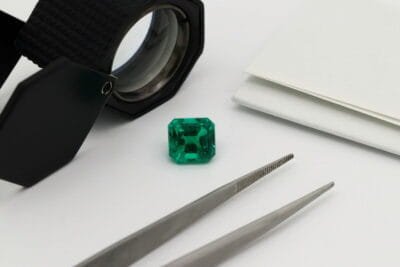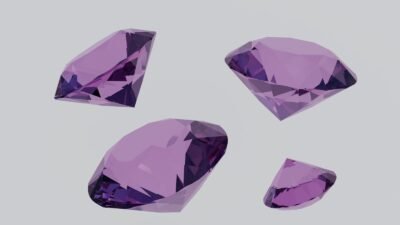
 Natural Faceted Gemstones
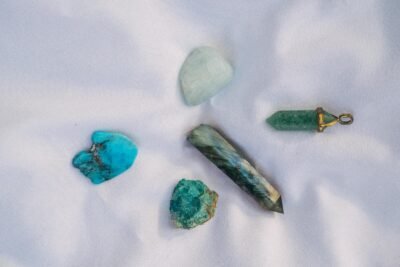
 Natural Raw Crystals
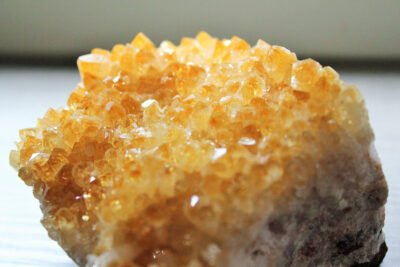
 Natural Mineral Specimens
 Natural Gemstone Jewelry
 Natural Gemstone Beads
 Necklace Sets
 Earrings
 Bracelets
 Lockets
 Rings
RingsWhat Is Carat Weight in Gemstones? Explained Simply

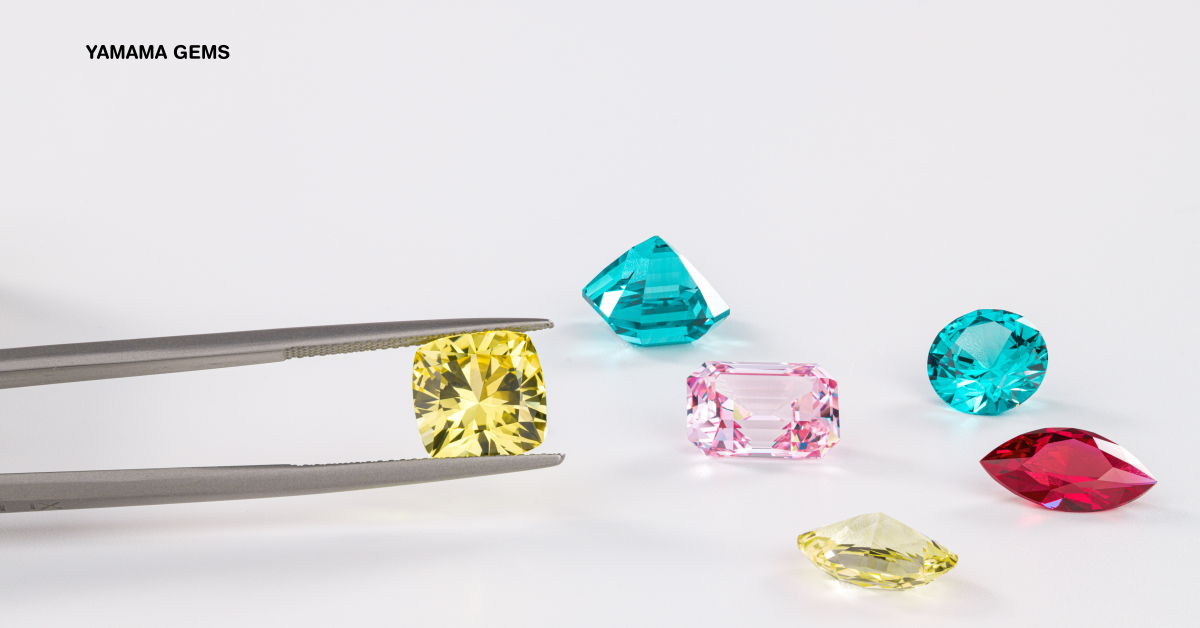
Navigating the premium luxury jewelry market successfully requires a precise understanding of technical trade metrics. Specifically, encountering the term “carat” frequently causes significant confusion among first-time collectors and asset buyers. A very common misconception is that this measurement dictates the physical, visual dimensions of a mineral specimen. However, the true metric represents a strict unit of mass rather than absolute face-up size. Understanding exactly what carat weight in gemstones means allows serious investors to accurately evaluate loose stones, protect capital during high-value acquisitions, and design perfectly proportioned custom jewelry layouts.
In this specialized commercial guide, we will analyze the technical science behind what carat weight in gemstones means. In addition, we will explain how specific gravity and varied cutting styles alter the physical appearance of distinct mineral families.
Decoding the Metric Carat System
In modern gemology, a metric carat is defined as a standard unit of mass equivalent to exactly 200 milligrams ($0.2\text{ grams}$). Historically, ancient merchant guilds utilized uniform carob seeds ($Ceratonia\text{ siliqua}$) on balancing scales to trade precious materials across Mediterranean trade routes. Today, the system is globally standardized to ensure complete accuracy across international trading centers. Furthermore, for highly precise valuations of smaller accent pieces, traders break down a single carat into a 100-point decimal scale. For example, a loose stone weighing 0.50 carats is officially referred to as a fifty-point gem. Therefore, mastering this mathematical framework is essential to calculating exact per-carat asset values.
Carat vs. Size: The Impact of Specific Gravity
It is critical to understand that two entirely different mineral varieties sharing the exact same carat weight will often display completely different physical sizes. This variation happens because every gemstone family possesses a unique density, scientifically known as specific gravity ($SG$). For instance, a natural blue sapphire is a highly dense aluminum oxide structure with a high specific gravity (~4.00). Conversely, an earth-mined opal is significantly less dense, showing a much lower specific gravity (~2.15). Consequently, a 1-carat opal will look visually larger than a 1-carat sapphire because it occupies more physical volume per unit of mass. To visualize these baseline variances across popular mineral groups, review this standard layout of common trading weights:
| Gemstone Classification | Standard Commercial Weight Range | Density & Visual Appearance Factors |
|---|---|---|
| Natural Diamond | 0.30 to 2.00 carats | Features a balanced density ($SG\approx 3.52$); cut precision heavily dictates the visual face-up diameter. |
| Premium Ruby / Sapphire | 0.50 to 4.00 carats | Highly dense corundum family ($SG\approx 4.00$); stones naturally pack more weight into smaller, compact dimensions. |
| Earth-Mined Emerald | 0.50 to 5.00 carats | Lower density beryl structure ($SG\approx 2.76$); yields a larger face-up profile compared to a corundum gem of equal weight. |
How Mass Affects Exponential Pricing
The commercial value of fine minerals does not scale in a simple linear fashion. Because large, pristine crystals are incredibly rare to extract from deep crustal mines, their market prices increase exponentially at major weight milestones. First, a single 2-carat specimen will command a significantly higher premium than two separate 1-carat stones of identical quality. Second, passing critical thresholds like 1.00, 2.00, or 5.00 carats causes a sudden jump in market value. However, savvy buyers know that mass alone does not dictate beauty. A smaller stone featuring an expert cut, intense color saturation, and excellent clarity will consistently outshine a larger, poorly faceted crystal. Therefore, achieving balance among all quality metrics remains the ultimate goal.
Moreover, selecting the ideal weight depends entirely on the intended presentation style and structural depth of the mounting. For example, heavy custom signet rings require deep, durable cuts, while delicate bridal bands favor precise, calibrated millimeter profiles. By focusing on independent laboratory grading certificates rather than raw size, you safely eliminate guesswork and secure lasting asset value.
Strategic Recommendations for Your Presentation Layout
Curating a truly mesmerizing luxury display requires playing with rich, purposeful visual contrasts. While holding individual color stones targets specific styling preferences, expanding your layout with alternating high-value assets ensures long-term portfolio versatility and asset safety. For example, you can source a pristine, icy Hunza aquamarine from northern Pakistan to capture rare alpine beauty. Additionally, you can introduce a rich green natural emerald to project executive intelligence. Finally, placing a deep royal blue natural sapphire alongside your choices ensures your personal layout achieves flawless balance, market trust, and timeless design harmony.
Final Word
Ultimately, understanding the true relationship between mass, mineral density, and facial millimeter dimensions ensures a highly sophisticated buying experience. Prioritizing certified weight metrics protects your investment capital while supporting the creation of balanced, heirloom-quality jewelry. By partnering with a transparent, laboratory-verified vendor, you can safely explore these magnificent global treasures with complete peace of mind.
At Yamama Gems, we maintain a strict dedication to transparent stone grading, ethical extraction methods, and certified authenticity. Explore our verified online store today to browse our selective, hand-cut inventory of genuine Pakistani Gemstones and rare global assets curated specifically for passionate connoisseurs.