 Natural Faceted Gemstones
 Natural Raw Crystals
 Natural Mineral Specimens
 Natural Gemstone Jewelry
 Natural Gemstone Beads
 Necklace Sets
 Earrings
 Bracelets
 Lockets
 Rings
RingsCoral Gemstone: Complete Guide – Formation, Types, Uses, Value & Buying Tips

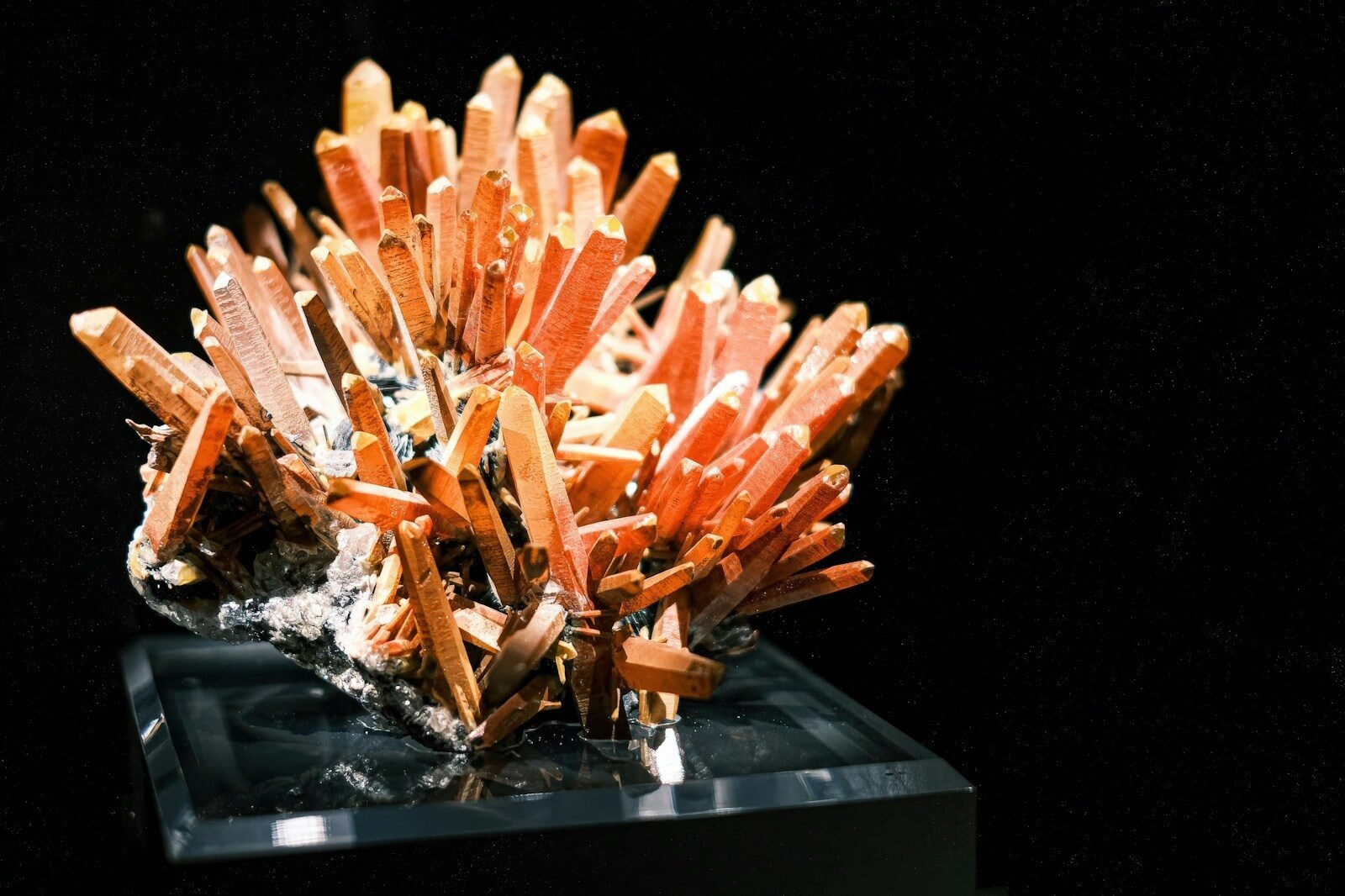
Coral is one of the most unique gemstones in the world because it is organic, not mineral-based. Formed from vibrant marine life, coral has been used in stunning jewelry and rich cultural traditions for thousands of years. Its deeply saturated red, pink, and orange colors make it highly desirable in both modern fashion design and traditional jewelry styles.
In this comprehensive guide, we will explore everything you need to know about the organic coral gemstone. Specifically, we will examine its biological formation, popular color varieties, market value, and the best ways to identify authentic pieces.
What is an Organic Coral Gemstone?
Unlike traditional mineral gemstones that form within the Earth’s crust, coral is a biogenic material. It forms from the skeletal remains of tiny marine animals known as coral polyps. These microscopic organisms live in massive colonies in warm ocean currents, gradually secreting a protective calcium carbonate skeleton ($CaCO_3$). Over centuries, these secretions build up to form branch-like reef structures that lapidaries harvest and polish into beautiful gems.
Because it shares its biogenic origin with pearls and amber, it ranks quite low on the Mohs scale, typically scoring between 3.5 and 4. Consequently, this delicate texture gives coral a smooth, waxy appearance but requires careful handling to prevent scratches.
Popular Varieties and Geographic Origins
Precious coral varieties are generally categorized by their natural color profiles and regional sources:
- Red Coral (Moonga): Featuring a deep oxblood or crimson red color, this represents the most valuable variety in the global market. The Mediterranean Sea, particularly around Italy, produces the finest premium quality.
- Pink Coral (Angel Skin): Highly prized for its soft, pastel pink shades, this variety is exceptionally popular in contemporary jewelry designs.
- Orange and Salmon Coral: This vibrant, bright option brings an energetic splash of color to modern fashion accessories.
- Black and Golden Coral: Found in much deeper waters, these unique varieties are composed of an organic substance called conchiolin rather than calcium carbonate.
Value Factors and Smart Market Sourcing
The market value of a precious coral piece depends heavily on its color saturation, structural size, and geographical origin. For instance, perfectly smooth Italian red coral cabochons command a massive premium over uneven or heavily pitted specimens. Furthermore, because coral reefs are vital to marine ecosystems, responsible and ethical sourcing is absolutely necessary to protect ocean life.
Due to its high demand, the commercial market features many cheap imitations like dyed bone, poured plastic, or colored glass. Therefore, if you are searching for authentic jewelry investments, choosing trusted suppliers is essential. While you explore unique marine alternatives, remember that rare earth-mined minerals offer unmatched long-term asset security. Adding a certified natural emerald, a fiery natural ruby, or a mountain-born aquamarine pendant to your showcase ensures your collection holds permanent historical value.
How to Identify Real Coral and Protect Your Pieces
To identify authentic coral at home, you can observe its surface texture under a basic magnifying glass. Real calcareous coral exhibits a distinct, wavy fibrous structure with tiny natural pores, whereas plastic or glass imitations often show trapped gas bubbles or mold lines. Additionally, natural coral feels noticeably cool to the touch when first placed against your skin, while plastic imitations warm up almost instantly.
Because of its soft, porous nature, you must protect your coral jewelry from harsh everyday chemicals. Always apply perfumes, hairsprays, and cosmetics before putting on your coral pieces. Furthermore, avoid exposing the stone to intense heat or direct sunlight, and always store your organic pieces in a separate fabric pouch away from harder mineral jewelry.
Final Word
Coral is a truly exceptional gemstone with a magical biological origin originating straight from the sea. Its deep history, vivid color spectrum, and immense cultural importance make it a stellar addition to any sophisticated jewelry layout. However, given its structural softness and environmental sensitivity, buyers must always make their selections carefully, responsibly, and with full transparency.
Whether you admire the organic beauty of marine treasures or wish to explore our exclusive collection of ethically mined, natural Pakistani Gemstones, Yamama Gems is proud to assist you. Browse our verified online storefront today to find your next genuine jewelry companion.
How Cubic Zirconia is Made? Complete Scientific Lab Production Process (Step-by-Step Guide)