
 Natural Faceted Gemstones
 Natural Raw Crystals
 Natural Mineral Specimens
 Natural Gemstone Jewelry
 Natural Gemstone Beads
 Necklace Sets
 Earrings
 Bracelets
 Lockets
 Rings
RingsLapis Lazuli: Complete Guide – Formation, Types, Uses, Value & Buying Tips

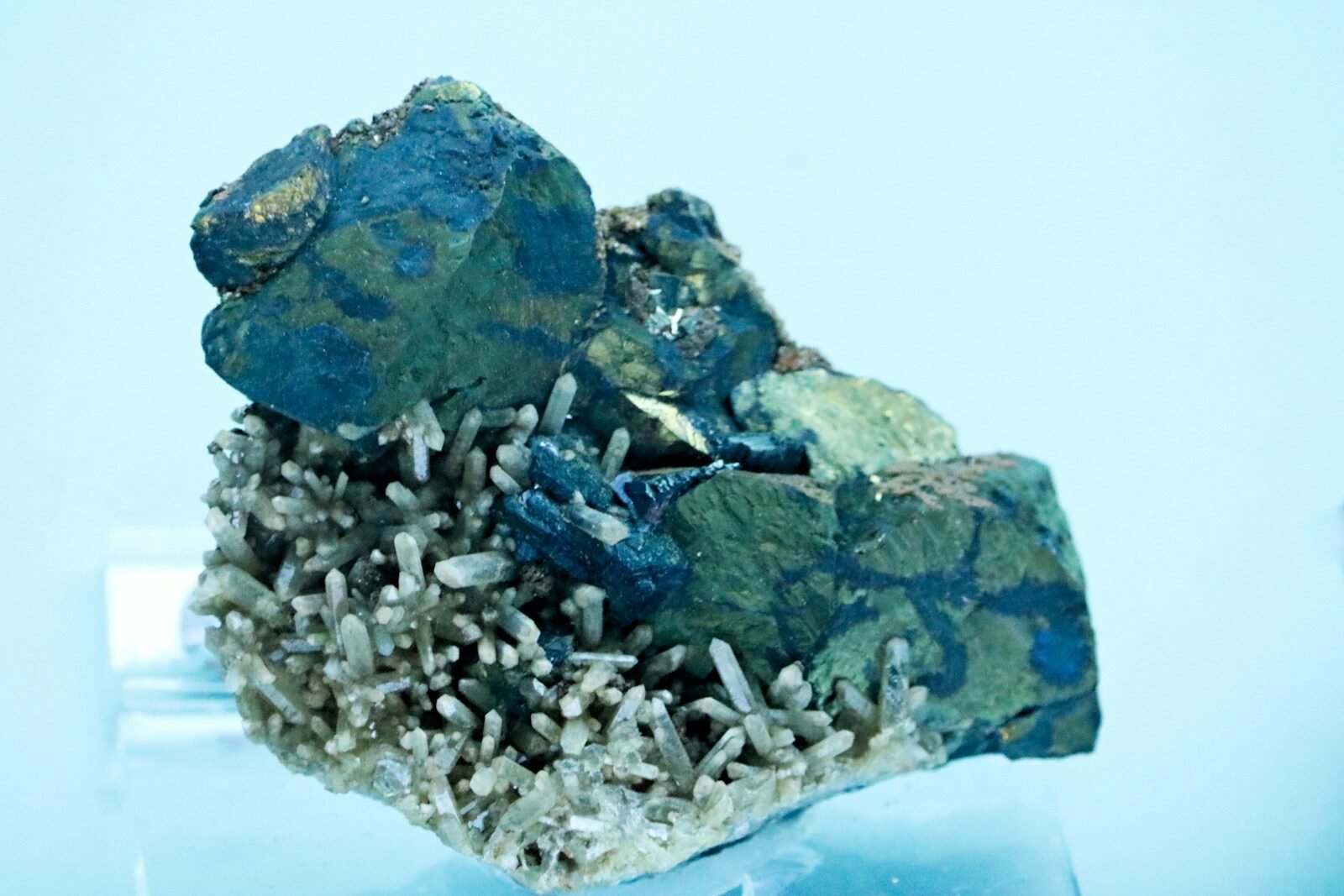
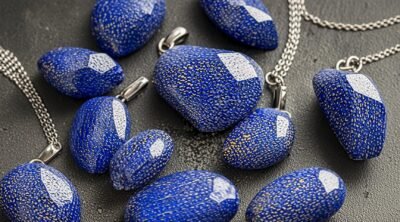
Lapis Lazuli is one of the most famous and historically significant gemstones in the world. Known for its deep royal blue color with golden flecks, this stone has been prized for thousands of years in jewelry, art, and culture. From ancient pharaohs to Renaissance artists, its majestic appearance has captivated humanity across generations.
In this comprehensive guide, we will explore everything you need to know about natural lapis lazuli. Specifically, we will examine its unique rock composition, geological formation, value factors, and how to spot authentic pieces from common market imitations.
What is Lapis Lazuli?
Unlike most traditional gemstones, Lapis Lazuli is actually a metamorphic rock rather than a single mineral. It is a beautiful aggregate composed primarily of three distinct minerals that create its signature look:
- Lazurite: This is the core ingredient that provides the intense, striking blue background color.
- Pyrite: These form the famous golden metallic flecks that scatter across the surface, which people often mistake for real gold.
- Calcite: This mineral appears as white veins or clouds running through the stone.
On the Mohs hardness scale, it ranks between 5 and 5.5. This moderate hardness makes it beautifully suited for detailed carvings, cabochons, and statement jewelry pieces.
History and Cultural Importance
Humanity has traded and mined this deep blue stone for over 6,000 years. In Ancient Egypt, artisans carved it into royal amulets, cylinder seals, and the famous burial masks of pharaohs. Meanwhile, during the European Renaissance, masters ground the raw rock into an expensive powder to create ultra-premium ultramarine pigment for legendary oil paintings. Consequently, due to its intense mining difficulty and rarity, it was historically considered more valuable than gold.
Famous Mining Sources Around the Globe
The absolute finest deposits of this metamorphic rock form in harsh, high-altitude mountain environments. The most famous global sources include:
- Afghanistan (Badakhshan): This ancient district produces the world’s absolute finest quality, prized for its deeply saturated, uniform royal blue matrix.
- Pakistan (Chagai Region): A prominent regional source yielding high-quality, durable specimens right from the rugged borders.
- Chile and Russia: These regions produce large commercial volumes, though they frequently display much heavier white calcite inclusions.
Evaluating Quality and Market Pricing
The market value of a lapis specimen is determined by its color uniformity and mineral balance. The highest tier is “Royal Lapis,” which features an intense, even dark blue tone with fine flecks of golden pyrite but absolutely zero visible white calcite veins. As the presence of white calcite streaks increases, the quality tier and price level generally drop.
| Quality Grade | Visual Characteristics | Market Value Level |
|---|---|---|
| Royal Blue Grade | Uniform deep blue, fine pyrite, no calcite | Premium / Premium Collector |
| Commercial Grade | Lighter blue, noticeable white calcite veins | Moderate / Highly Affordable |
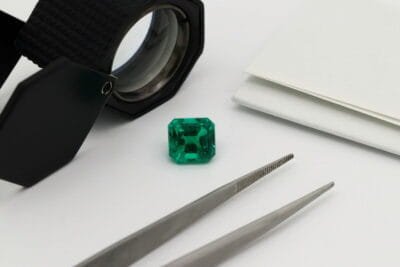
Because low-grade rocks are abundant, the commercial market often features artificially dyed versions to mimic top-tier grades. Therefore, if you are looking for long-term gemstone security, investing in verified, untreated pieces is always recommended. Alongside your blue stones, adding classic earth-mined options like a vibrant natural emerald, a deep natural ruby, or an exquisite aquamarine pendant ensures your jewelry showcase remains highly diverse and naturally valuable.
How to Identify Real Lapis and Care for It
To differentiate genuine pieces from cheap imitations like dyed howlite or poured plastic, look closely at the golden flecks. Natural pyrite displays a true metallic, brassy reflection under a light source, while fakes usually use flat, painted gold glitter. Furthermore, you can perform a quick swab test with a cotton pad dipped in rubbing alcohol; if blue color transfers onto the pad, the stone has been artificially dyed.
Because it contains calcite and is moderately soft, you must protect your jewelry from acidic chemicals, perfumes, and prolonged water exposure. Never clean it with harsh jewelry chemicals or ultrasonic cleaners. Instead, simply wipe the surface gently with a soft, dry microfiber cloth after each wear, and store it separately from harder mineral gems to prevent scratches.
Final Word
Lapis Lazuli remains an everlasting gemstone celebrated for its celestial blue depth and unmatched cultural legacy. From ancient empires to modern bespoke jewelry lines, it continues to serve as an authoritative statement of refinement and elegance. Understanding its natural geological features allows you to select pieces that bring true history to your collection.
Are you looking to source a genuine, heirloom-quality stone for your next design? Click here to explore our Natural Lapis Lazuli Collection and enjoy 100% Free Worldwide Shipping on your order. Yamama Gems is proud to offer fully authentic, beautifully selected Pakistani Gemstones and mineral specimens directly from the heart of the mountains.
Coral Gemstone: Complete Guide – Formation, Types, Uses, Value & Buying Tips

One thought on “Lapis Lazuli: Complete Guide – Formation, Types, Uses, Value & Buying Tips”
Comments are closed.