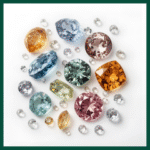
 Natural Faceted Gemstones
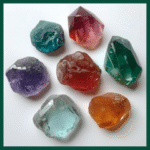 Natural Raw Crystals
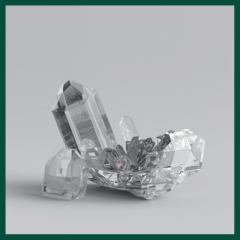 Natural Mineral Specimens
 Natural Gemstone Jewelry
 Natural Gemstone Beads
 Necklace Sets
 Earrings
 Bracelets
 Lockets
 Rings
RingsTurquoise: Complete Guide – Formation, Types, Uses, Value & Buying Tips

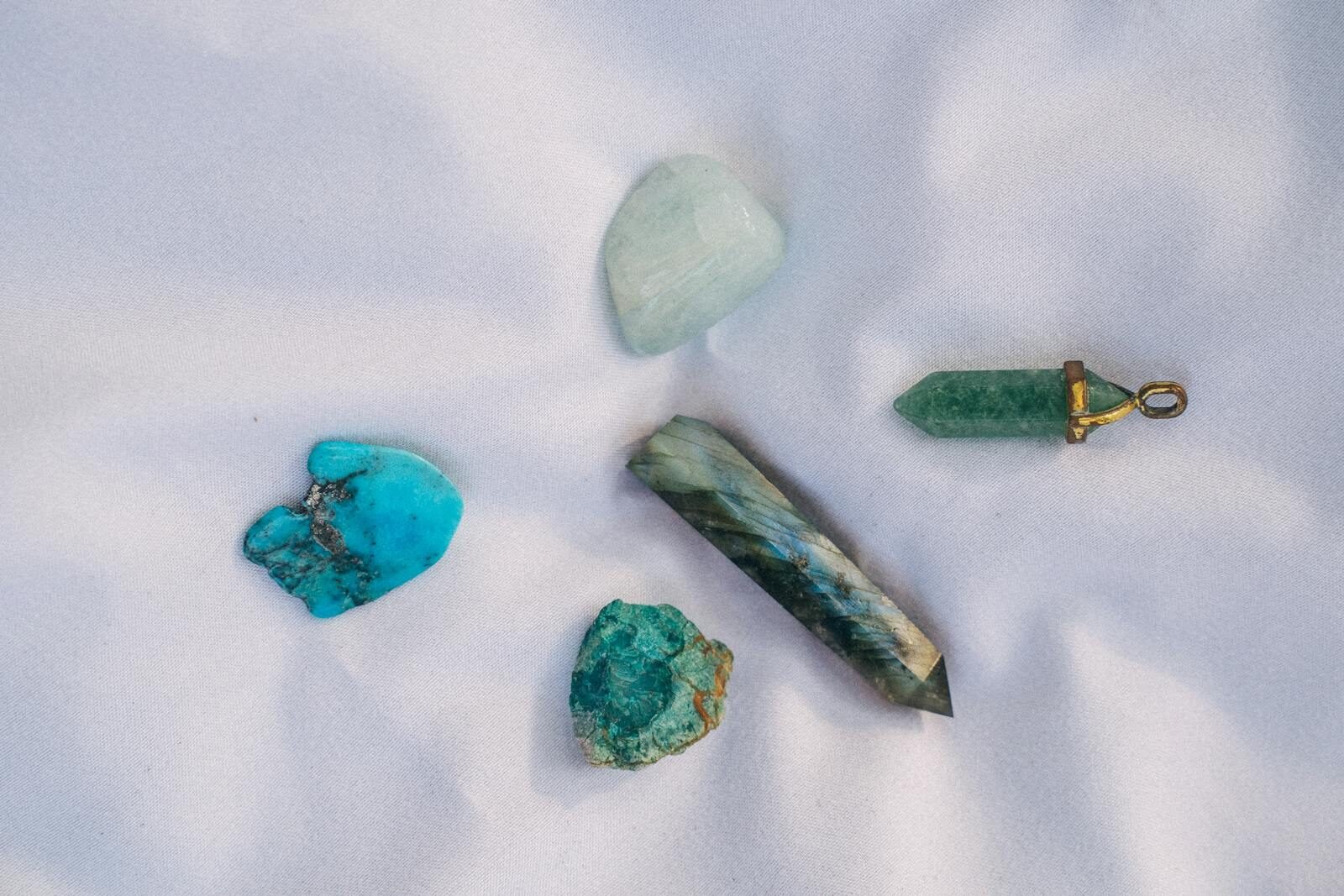
Turquoise, commonly known as Feroza, is one of the oldest and most culturally significant gemstones in the world. Known for its beautiful blue to green color, it has been used in jewelry, ornaments, and spiritual traditions for thousands of years. From ancient pharaohs to royal Persian empires, this breathtaking stone has always represented protection, power, and timeless beauty.
In this comprehensive guide, we will explore everything you need to know about the natural turquoise feroza. Specifically, we will examine its chemical composition, geological formation, different market types, and how to accurately identify authentic stones from common fakes.
What is Turquoise (Feroza)?
Turquoise is a natural, opaque mineral that gemologists classify as a hydrated phosphate of copper and aluminum. Its chemical environment dictates its final color projection. For instance, a higher concentration of copper produces a classic sky-blue hue, whereas the presence of iron shifts the matrix toward an apple-green shade. On the Mohs hardness scale, it ranks between 5 and 6, making it an ideal choice for detailed carvings, beads, and cabochons.
History and Global Mining Sources
Humanity has treasured this sky-blue mineral for over 5,000 years. The word itself comes from the old French term meaning “Turkish stone,” because historical trade routes brought it to Europe through Turkey. Geologically, it forms in dry, arid regions when mineral-rich water seeps through deep rocky fractures, initiating a slow chemical crystallization over millions of years.
The finest deposits are located in specific global hubs, including:
- Iran (Nishapur): Globally famous for producing the absolute highest quality “Persian Turquoise,” highly prized for its pure, uniform sky-blue color with zero matrix lines.
- USA (Arizona & Nevada): Famous for producing high-grade “Spiderweb Turquoise” featuring beautiful, dark contrasting matrix webs.
- China and Mexico: Major commercial producers providing a wide variety of green and blue stones for fashion houses worldwide.
Understanding Market Types and Treatments
Because raw turquoise is naturally porous and soft, the jewelry market utilizes several distinct grades and structural treatments:
- Natural Turquoise: This is 100% untreated stone cut straight from the rough block. It is exceptionally rare, highly stable, and commands premium market pricing.
- Stabilized Turquoise: This common, industry-accepted method injects clear acrylic resin into porous blocks under pressure. Consequently, it improves the stone’s hardness and seals the color for daily wear.
- Spiderweb Turquoise: These specimens feature beautiful, irregular veins of host rock (matrix) running through them, creating one-of-a-kind organic patterns.
- Reconstituted and Dyed Fakes: The cheapest varieties utilize crushed turquoise powder mixed with heavy plastics or substitute low-value minerals like dyed howlite.
| Turquoise Grade | Treatment Level | Value Position |
|---|---|---|
| Premium Persian Blue | 100% Untreated / Natural | High Premium Investment |
| Spiderweb / Matrix | Natural or Stabilized | Moderate to Premium |
| Dyed Howlite / Plastic | Artificial Imitation | Very Low Value |
Therefore, understanding these grades is crucial when buying gemstones online. While choosing your favorite opaque stones, consider pairing them with striking faceted options. Incorporating a vibrant natural emerald, a deep natural ruby, or an elegant aquamarine pendant will elevate the contrast and long-term asset value of your jewelry layout.
How to Spot Authentic Feroza and Care For It
To differentiate a genuine Feroza from dyed howlite or plastic imitations, examine the matrix line patterns closely. Real matrix veins show natural depths, subtle color variations, and slight textural crevices under a jeweler’s loupe, while fakes display flat, painted lines. Furthermore, because turquoise is chemically sensitive, you can test a hidden spot with an acetone-soaked swab; if blue dye transfers to the cotton, the stone is an artificial fake.
To preserve your gemstone’s natural luster, keep it far away from cosmetics, perfumes, and household cleaning chemicals. Because it is porous, it can absorb external liquids, which may alter its original color over time. Always clean it using only a soft, damp microfiber cloth, and store your pieces separately away from harder mineral gemstones to avoid scratches.
Final Word
Turquoise (Feroza) remains an iconic, timeless gemstone that bridges ancient traditions with modern luxury. Whether you prefer a clean Persian sky-blue cabochon or a highly patterned spiderweb ring, its unique visual character adds unmatched depth to any collection. Understanding its natural geological traits ensures you buy with absolute clarity and peace of mind.
At Yamama Gems, we are dedicated to providing the highest quality, ethically sourced minerals and bespoke jewelry pieces. Explore our verified online store today to browse our authentic collections of fine Pakistani Gemstones and global treasures tailored for passionate collectors.
Swat Emerald — The Green Treasure of Pakistan’s Valleys Introduction