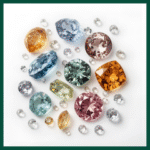
 Natural Faceted Gemstones
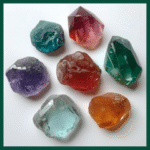 Natural Raw Crystals
 Natural Mineral Specimens
 Natural Gemstone Jewelry
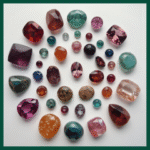 Natural Gemstone Beads
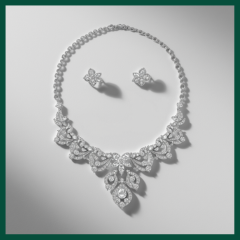 Necklace Sets
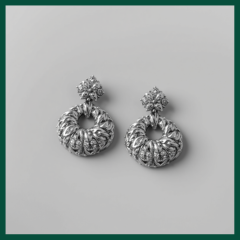 Earrings
 Bracelets
 Lockets
 Rings
RingsGarnet Stone: Benefits & Market Value

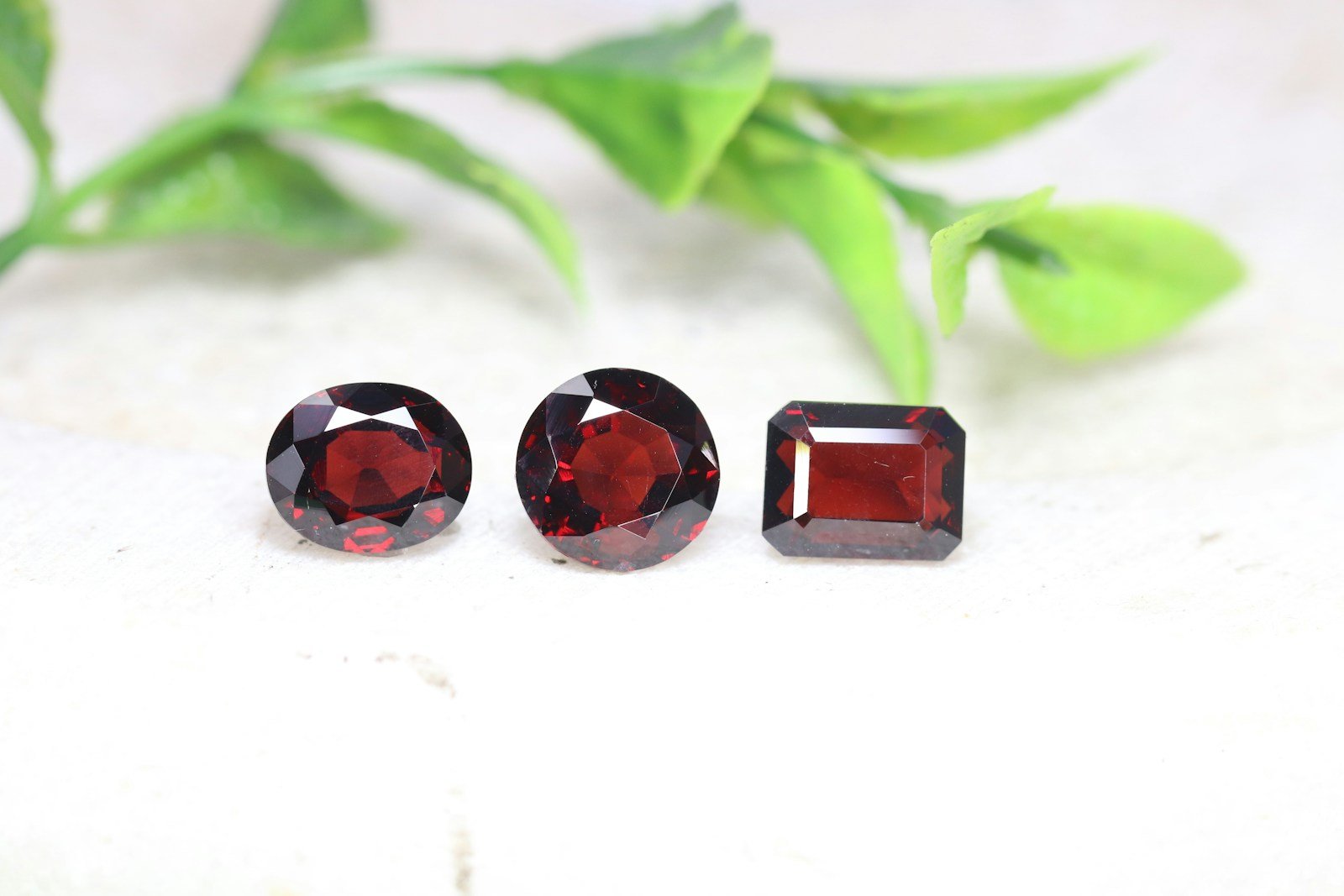
Natural earth-mined crystals admire a massive global following due to their rich historical legacy and exceptional physical properties. Among these diverse mineral groups, the garnet stone stands out as a highly versatile and timeless luxury asset. Furthermore, connoisseurs heavily value its brilliant light dispersion and its ancient reputation as a talisman of protective vitality. Whether you are building an e-commerce inventory or styling a personal presentation layout, this resilient gem brings undeniable sophistication to any collection. Therefore, understanding its distinct mineral varieties ensures your jewelry acquisitions carry uncompromised market trust and lasting aesthetic appeal.
In this authoritative guide, we will analyze the core benefits of garnet stone and its market value. In addition, we will break down the essential geological properties that define this crystal group. We will also explore the ideal placement methods to showcase its deep, mesmerizing fire with absolute structural confidence.
What Is the Garnet Stone?
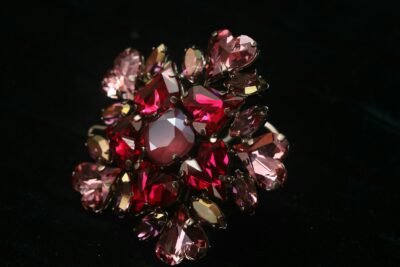
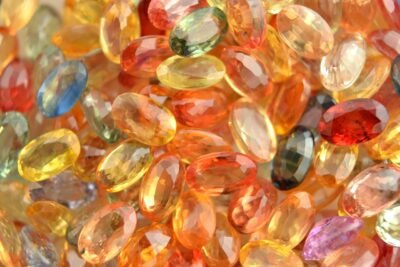
From a precise geological perspective, garnet is a complex group of silicate minerals sharing a unified isometric crystal structure ($X_3Y_2(SiO_4)_3$). Boasting a highly durable hardness rating of 6.5 to 7.5 on the Mohs scale, it offers excellent resistance to daily friction and wear. While most collectors instantly recognize its classic deep wine-red shades, this fascinating gem naturally forms across an incredible spectrum of colors. For instance, these include vibrant oranges, rich purples, and even ultra-rare neon greens. Consequently, it serves as a flawless centerpiece for bespoke corporate rings, statement pendants, and multi-channel high-end jewelry displays alike.
The Complete Garnet Market Value Framework
The financial value of a natural garnet is never fixed by a single standard. Instead, commercial pricing shifts dramatically based on variety, clarity, and overall rarity. To clarify the current global wholesale and retail landscape, review this structured per-carat financial breakdown:
| Garnet Variety & Quality | Estimated Per-Carat Rate (USD) | Primary Structural Attributes |
|---|---|---|
| Commercial Red (Almandine / Pyrope) | $10 to $50 per carat | Deep, dark brownish-red to classic blood-red tones with typical eye-clean clarity. |
| Fine Jewelry Grade (Rhodolite / Spessartite) | $50 to $200 per carat | Vibrant purplish-red or bright fiery orange hues showing high transparency and brilliance. |
| Premium Investment Grade (Tsavorite / Demantoid) | $300 to $1,000+ per carat | Extremely rare, vivid emerald-green or chrome-green hues commanding massive premiums. |
Core Metrics Influencing Garnet Pricing
To maximize your asset preservation when purchasing colored stones, you must carefully evaluate specific quality indicators. For example, color