
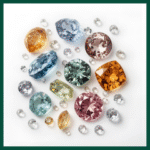
 Natural Faceted Gemstones
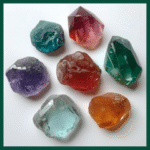 Natural Raw Crystals
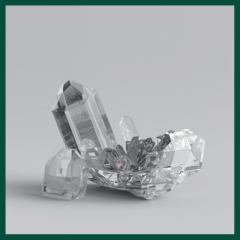 Natural Mineral Specimens
 Natural Gemstone Jewelry
 Natural Gemstone Beads
 Necklace Sets
 Earrings
 Bracelets
 Lockets
 Rings
RingsNatural vs Treated Gemstones: Which Should You Buy?

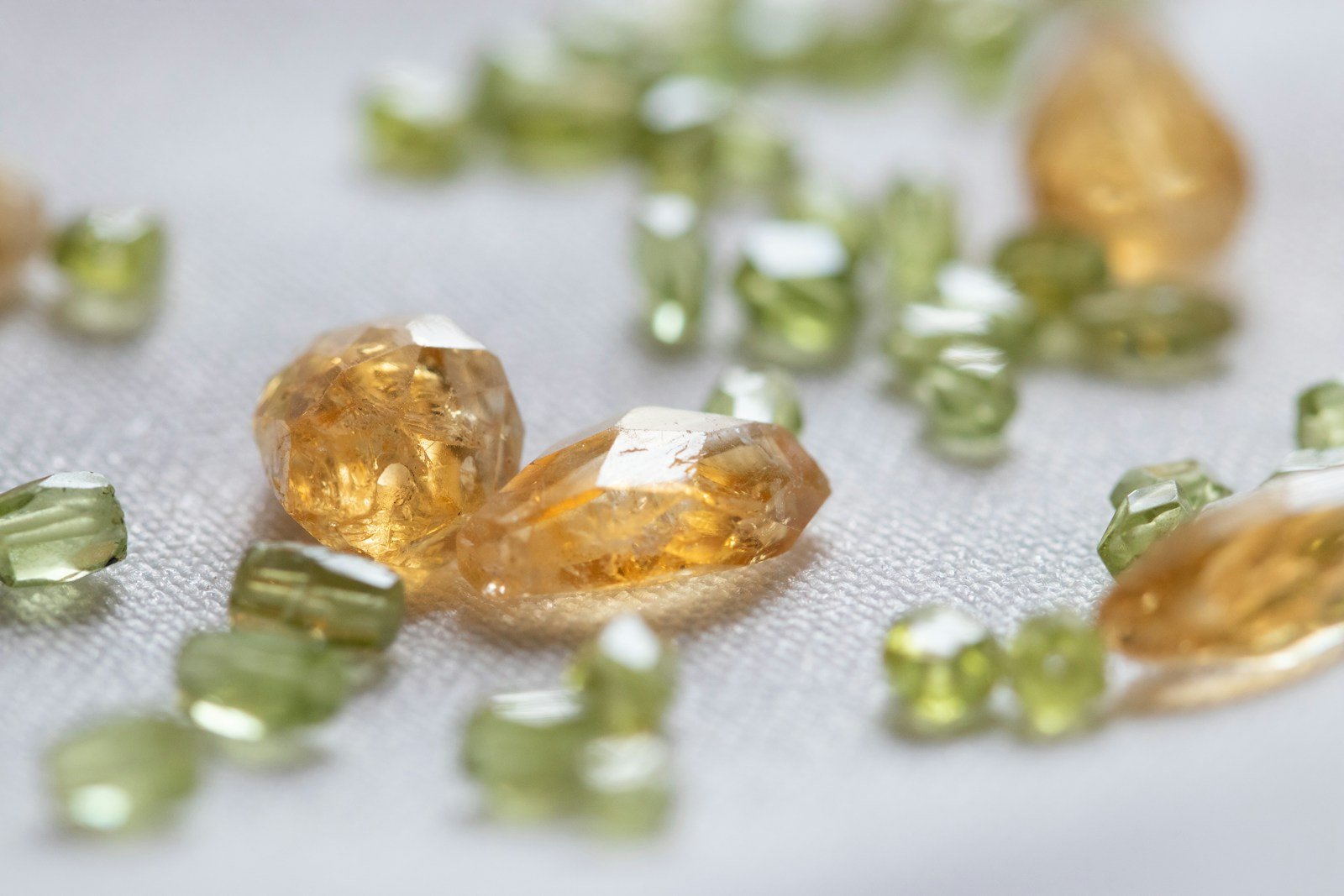
Navigating the global luxury marketplace often requires understanding specialized trade terminology. Specifically, encountering phrases like earth-mined, enhanced, or heat-optimized can easily confuse first-time collectors looking to buy premium assets. A common misconception is that an enhanced specimen is somehow artificial. However, the true distinction lies entirely in human intervention after extraction. Comparing natural vs treated gemstones reveals a clear divide in rarity, price stability, and long-term investment potential. Therefore, understanding these core differences allows serious buyers to protect their capital, optimize their custom jewelry layouts, and negotiate with absolute confidence.
In this specialized trade guide, we will analyze the structural properties of natural vs treated gemstones. In addition, we will outline the pros and cons of each category to ensure your next asset acquisition matches your financial goals perfectly.
Defining Earth-Mined Natural Gemstones
Pure natural crystals are rare minerals extracted directly from deep crustal mines and styled purely through mechanical cutting and faceting. Furthermore, these stones receive absolutely zero chemical additions, radiation exposures, or high-temperature structural alterations to artificially boost their look. Because they develop organically over millions of years, they typically retain distinct microscopic inclusion fingerprints. Consequently, gemstone investors highly value these pristine, untouched pieces for their extreme rarity. For example, unheated rubies, fine spinels, and untreated sapphires command massive market premiums. Therefore, holding an entirely natural stone projects exceptional collection prestige and ensures superb long-term value appreciation.
Analyzing Enhanced and Treated Crystals
Conversely, treated stones are authentic, earth-mined minerals that undergo professional laboratory processes to improve their overall color saturation or internal clarity. It is critical to state that these pieces are completely real mineral structures rather than synthetic glass imitations. For instance, high-temperature heat treatment permanently deepens the blue shades in corundum crystals. Similarly, fine oil or resin filling gently masks tiny surface fractures inside premium emeralds to improve transparency. These standard enhancement practices are widely accepted across global jewelry networks. However, retailers face a strict legal obligation to provide clear, upfront disclosure regarding every single modification.
Natural vs Treated Gemstones: Side-by-Side Analysis
To help you evaluate these two market sectors clearly during your next inventory expansion, review this straightforward layout of their primary commercial characteristics:
| Trading Attribute | Untreated Natural Gemstones | Enhanced & Treated Gemstones |
|---|---|---|
| Enhancement Profile | 100% organic; shaped exclusively through cutting and polishing. | Modified via heat, clarity oils, dyeing, or safe irradiation. |
| Market Value & Price | Commands top-tier premium rates due to severe scarcity. | Highly competitive pricing, offering an affordable luxury look. |
| Investment Security | Excellent; experiences consistent long-term demand. | Lower resale yield; designed primarily for daily consumer wear. |
| Lab Documentation | Mandatory to certify complete absence of thermal treatments. | Required to clearly identify the exact modification type used. |
Making the Right Acquisition Decision
Choosing between these two categories depends completely on your budget, target presentation layout, and specific buying intentions. First, prioritize entirely untreated, natural specimens if you are acquiring stones for wealth preservation or elite collection purposes. These rare assets are highly insulated from market drops because their global supply remains structurally limited. Second, opt for standard treated variants if you wish to build striking, highly colorful daily jewelry layouts on a practical budget. These stones look magnificent while remaining highly accessible. However, always ensure your chosen pieces come backed by an independent laboratory certificate to confirm their exact origin details.
Moreover, certain clarity enhancements require special long-term care to prevent premature fading. For instance, oiled stones should never be exposed to harsh household detergents, extreme thermal shifts, or powerful ultrasonic cleaning machines. Consequently, verifying the stability of any treatment remains a vital step before finalizing your purchase. By demanding total transparency, you successfully eliminate financial risk and build a highly reliable personal collection.
Strategic Recommendations for Your Presentation Layout
Curating a truly mesmerizing luxury display requires playing with rich, purposeful visual contrasts. While holding individual color stones targets specific styling preferences, expanding your layout with alternating high-value assets ensures long-term portfolio versatility and asset safety. For example, you can source a pristine, icy Hunza aquamarine from northern Pakistan to capture rare alpine beauty. Additionally, you can introduce a rich green natural emerald to project executive intelligence. Finally, placing a deep royal blue natural sapphire alongside your choices ensures your personal layout achieves flawless balance, market trust, and timeless design harmony.
Final Word
Ultimately, both natural and enhanced crystals hold an important place within the modern luxury trade. Choosing an earth-mined, untreated colored stone remains the premier path for discerning connoisseurs tracking maximum rarity. By partnering with a highly transparent, laboratory-verified vendor, you can safely explore these magnificent global treasures with complete peace of mind.
At Yamama Gems, we maintain a strict dedication to transparent stone grading, ethical extraction methods, and certified authenticity. Explore our verified online store today to browse our selective, hand-cut inventory of genuine Pakistani Gemstones and rare global assets curated specifically for passionate connoisseurs.