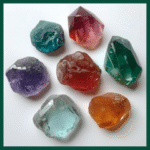
 Natural Faceted Gemstones
 Natural Raw Crystals
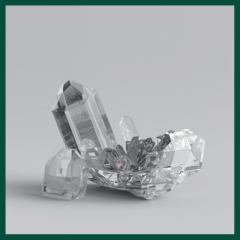 Natural Mineral Specimens
 Natural Gemstone Jewelry
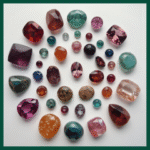 Natural Gemstone Beads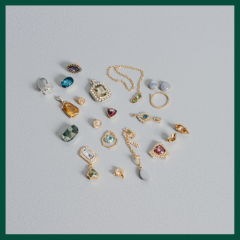
 Necklace Sets
 Earrings
 Bracelets
 Lockets
 Rings
RingsStar Gemstones: Formation, Types, Value, and Complete Guide

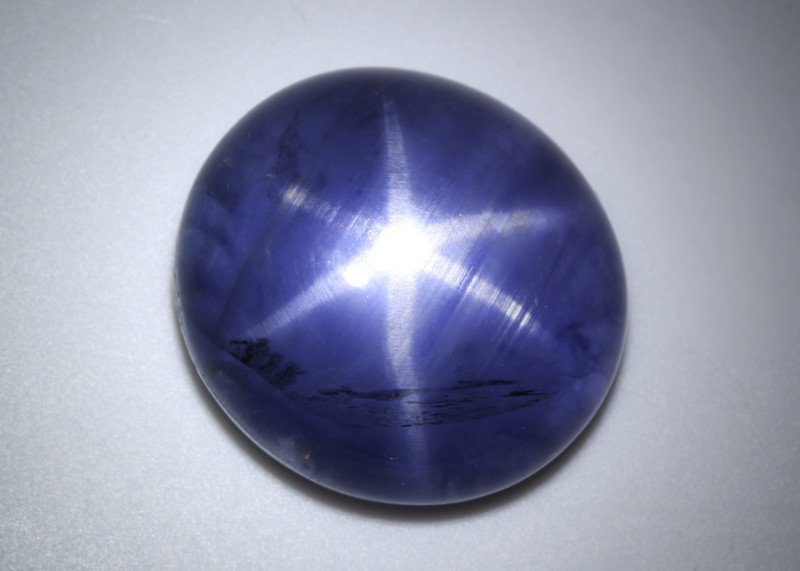
Star gemstones are among the most unique and eye-catching stones in the gemstone world. What makes them special is the appearance of a glowing star on their surface when exposed to light. This rare optical effect is called asterism, and it gives these gemstones a magical and premium appeal that instantly elevates any jewelry collection.
In this comprehensive star gemstones guide, we will explore the science behind this optical phenomenon. Specifically, we will examine how they form, their distinct varieties, market value factors, and how they differ from structural trapiche patterns.
What Are Star Gemstones and Asterism?
Star gemstones are natural rocks that display a glowing, star-shaped pattern across their surface under a direct light source. This phenomenon is called asterism. It is a natural optical occurrence rather than an artificial surface engraving. It happens because the stone contains thousands of microscopic, needle-like mineral inclusions, usually composed of rutile (often called “silk”).
When these needles align in perfectly intersecting orientation planes, they reflect light at right angles. This creates intersecting bands of light that form a moving star pattern. Depending on the mineral’s crystal structure, the star can display different ray counts:
- 4-Ray Stars: Commonly found in minerals like star garnet and star diopside.
- 6-Ray Stars: The most common type, dominating the star corundum family.
- 12-Ray Stars: Exceptionally rare and valuable, occurring when two different sets of inclusions coexist in the same stone.
Famous Varieties in the Gem Market
While many minerals can theoretically showcase asterism, a few select varieties dominate the collector and luxury markets:
- Star Sapphire: The most famous star gem in the world, frequently displaying a sharp 6-ray star. They appear in deep royal blue, black, and various fancy color profiles.
- Star Ruby: Highly prized for its vivid red body color combined with a bright, crisp star. Top-tier specimens are incredibly rare and command premium prices per carat.
- Star Garnet: A beautiful, dense stone showing a subtle 4-ray or 6-ray star, usually over deep wine-red or purple tones.
- Star Diopside: A budget-friendly, dark green or black gemstone that exhibits a remarkably sharp, highly contrasting 4-ray star.
Why Are Star Stones Cut in Cabochon?
Unlike standard transparent minerals, lapidaries never facet star gems into traditional steps or brilliant cuts. Instead, they shape them into a smooth, dome-shaped style known as a cabochon cut. This smooth dome is essential because flat facets would scatter the light reflection, destroying the visual phenomenon. A high, well-proportioned dome acts like a lens, gathering the light to make the star look centered, sharp, and highly mobile.
Star Gemstones vs Trapiche Patterns
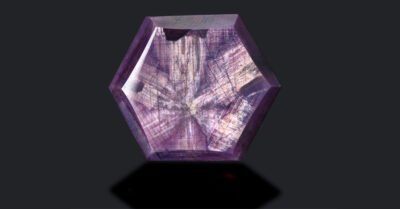
Buyers often confuse star minerals with trapiche specimens, but their structural differences are immense. A star effect is purely optical; the lines move dynamically across the dome as you rotate the stone under a flashlight. Conversely, a trapiche gemstone features a fixed, stationary wheel-spoke pattern caused by carbon or shale impurities growing between crystal sectors. If you are fascinated by fixed structural geometry, explore our specialized layout for a custom sapphire trapiche logo design to appreciate this distinct crystal growth.
Evaluating Quality, Value, and Authenticity
The market value of these phenomenal stones depends heavily on the sharpness, symmetry, and brightness of the star. Ideally, the rays should be completely unbroken, perfectly centered on the dome, and highly visible under natural sunlight. Body color quality and overall transparency further influence pricing.
Because natural star corundum is highly collectible, the commercial market features many synthetic imitations. Synthetic star stones often look suspiciously perfect, featuring an overly bright, painted-looking star that remains sharp even in dim, diffuse lighting. Natural stones will display irregular internal growth bands and a star that sharpens or diffuses depending on the intensity of the light source.
| Gemstone Type | Ray Count & Movement | Market Rarity Status |
|---|---|---|
| Star Ruby / Sapphire | Typically 6 Rays (Dynamic Movement) | Highly Rare / Premium Investment |
| Star Garnet / Diopside | Typically 4 Rays (Dynamic Movement) | Moderate / Affordable Collector |
Investing in rare optical phenomena provides an excellent avenue for building a unique portfolio. However, if you prefer classic brilliance and clear facet styles, traditional alternatives remain highly rewarding. Incorporating an untreated natural emerald, a deep red natural ruby, or an elegant aquamarine pendant ensures your jewelry collection remains balanced, valuable, and timeless.
Final Word
Star gemstones are an incredible wonder of nature, celebrated for their glowing asterism effect and immense mineral rarity. Whether featured in a statement ring or collected as a raw specimen, they offer a captivating beauty that sets them apart from ordinary stones. Understanding how their internal needles interact with light helps you navigate the global market with absolute confidence.
At Yamama Gems, we are passionate about sourcing the finest authentic minerals and providing transparent educational guides for our clients. Discover our fully verified, ethically sourced collection of fine Pakistani Gemstones and global wonders today to find a truly exceptional piece of geological history.
Lapis Lazuli: Complete Guide – Formation, Types, Uses, Value & Buying Tips