
Blog
Topaz Gemstone: Natural vs Synthetic Comparison


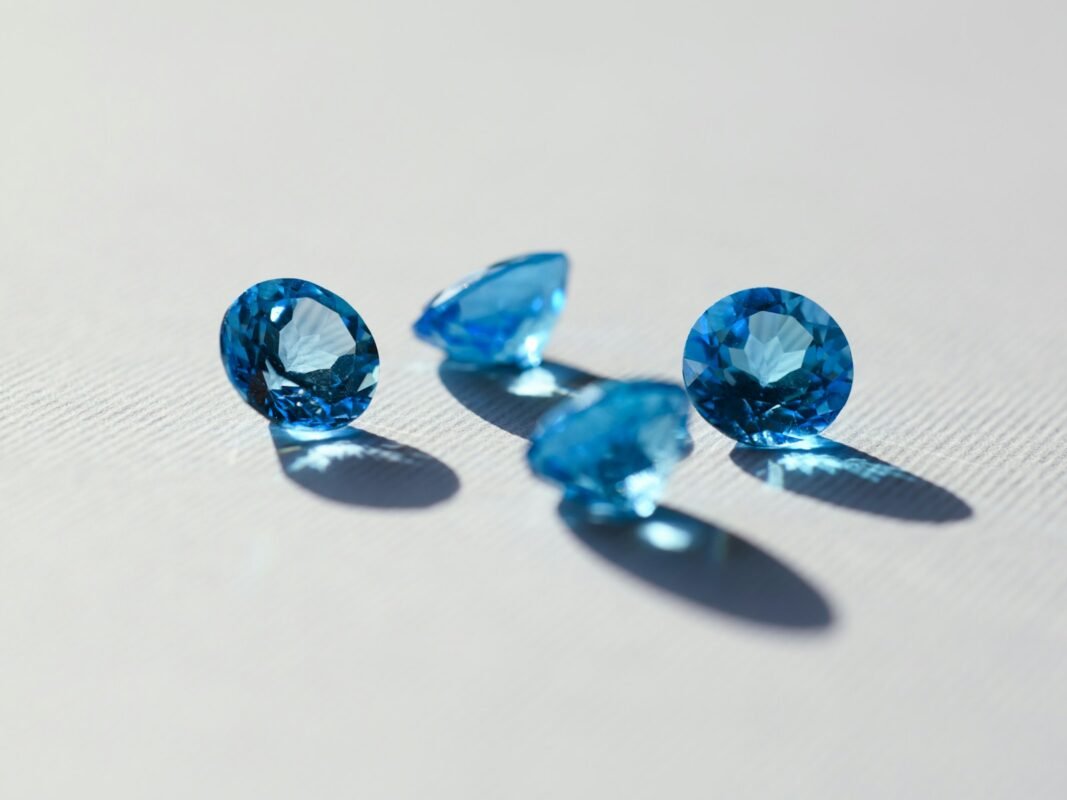
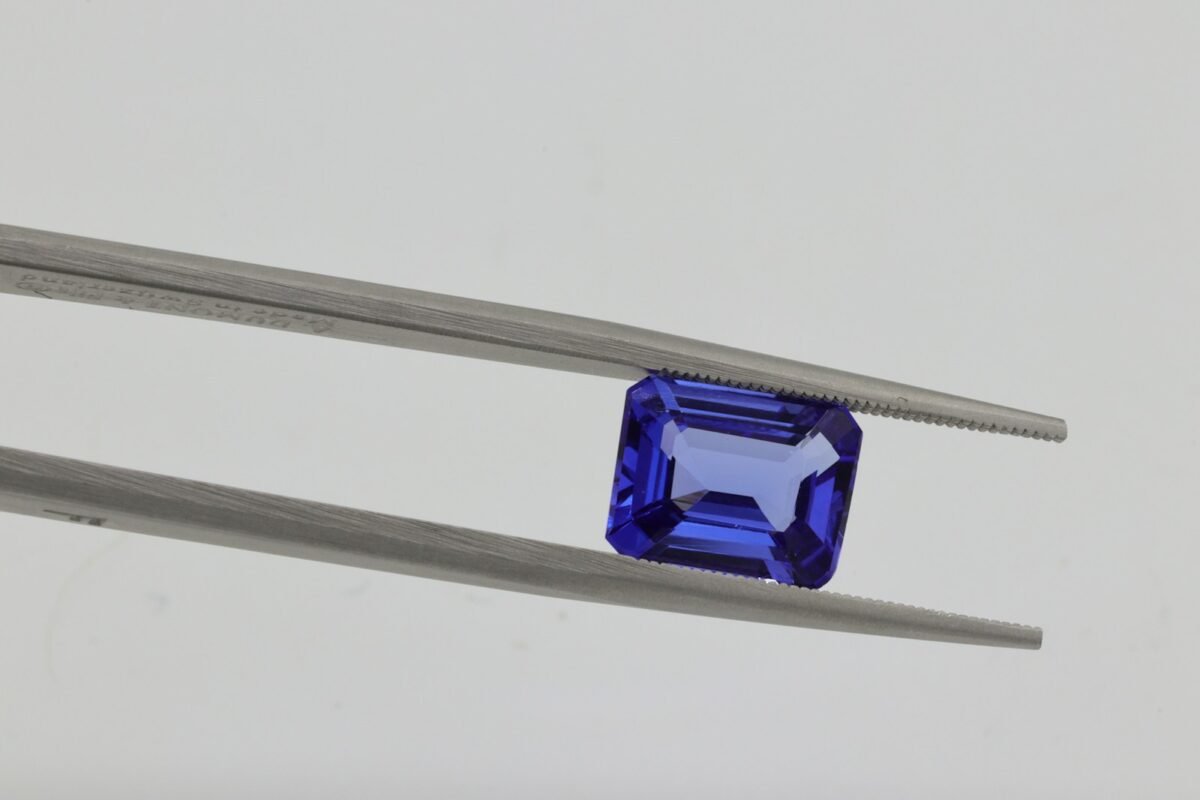
The Topaz gemstone is admired for its beauty, clarity, and wide range of colors. From classic golden yellow to sky blue and imperial shades, topaz is a favorite choice for jewelry lovers and gemstone collectors alike. When buying topaz, customers often ask about natural vs synthetic topaz.
In this guide, we’ll clearly explain the difference between natural and synthetic topaz, helping you make an informed and confident buying decision.
What Is Topaz Gemstone?
Topaz is a naturally occurring gemstone made of aluminum and fluorine. It is known for its brilliance, hardness, and elegant appearance.
-
Hardness: 8 on Mohs scale
-
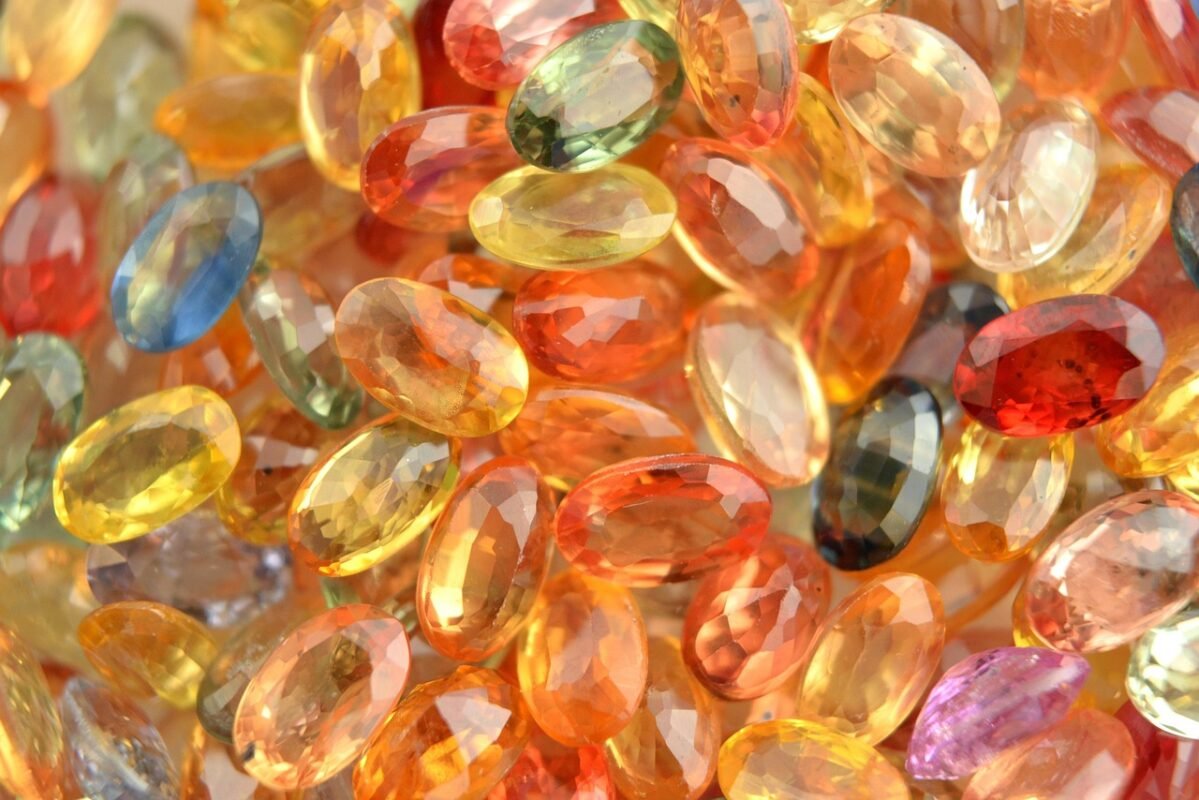
Colors: Blue, yellow, golden, pink, white, imperial
-
Birthstone: November
-
Jewelry use: Rings, pendants, earrings, bracelets
Topaz is suitable for both everyday wear and luxury designs.
Natural Topaz Gemstone
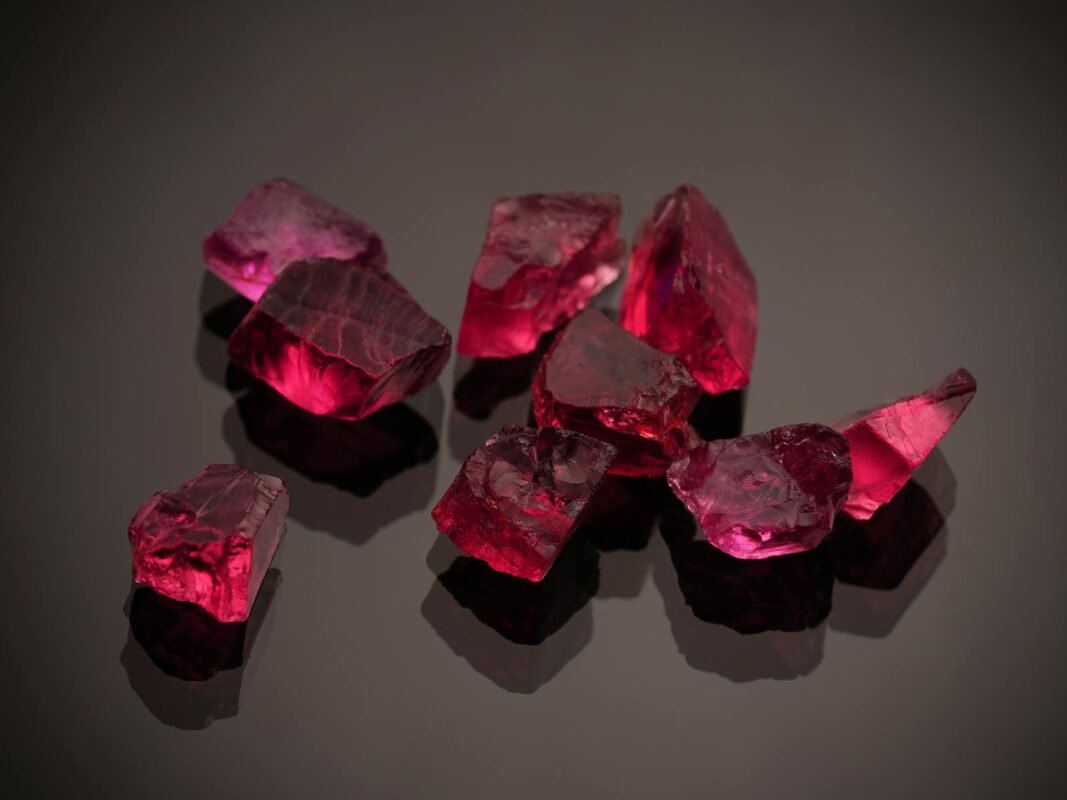
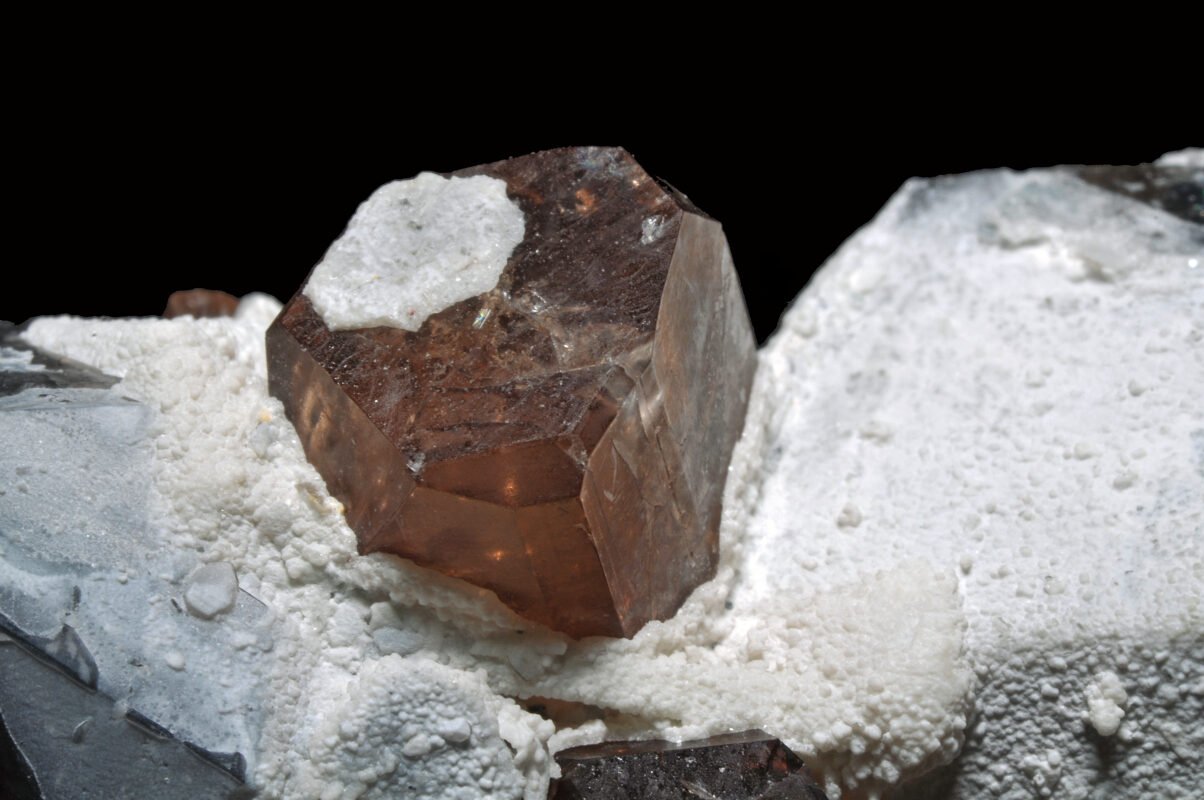
Natural topaz is formed naturally within the earth over millions of years and is mined from gemstone-rich regions.
Key Features of Natural Topaz
-
Earth-formed gemstone
-
Natural crystal structure
-
Unique internal characteristics
-
High value and authenticity
-
Ideal for fine jewelry and collection
Natural topaz is popular among buyers who appreciate originality, rarity, and long-term value.
Synthetic Topaz Gemstone
Synthetic topaz is created in a laboratory under controlled conditions. It has similar chemical and physical properties to natural topaz.
Key Features of Synthetic Topaz
-
Lab-created gemstone
-
Consistent clarity and color
-
Affordable and accessible
-
Suitable for fashion and decorative jewelry
Synthetic topaz is a practical choice for buyers looking for beauty and brilliance at a more accessible price.
Natural vs Synthetic Topaz: Comparison Table
| Feature | Natural Topaz | Synthetic Topaz |
|---|---|---|
| Origin | Earth-mined | Laboratory-created |
| Appearance | Naturally unique | Uniform and clean |
| Rarity | More rare | Widely available |
| Price | Higher | More affordable |
| Jewelry Use | Fine & luxury jewelry | Fashion & daily jewelry |
| Certification | Available | Available |
Both options are genuine gemstones when clearly disclosed.
Which Topaz Should You Choose?
Choose Natural Topaz if you:
-
Value natural origin
-
Prefer unique gemstones
-
Want long-term value
-
Are buying for collection or premium jewelry
Choose Synthetic Topaz if you:
-
Want a budget-friendly option
-
Prefer clean and uniform appearance
-
Are buying fashion or daily-wear jewelry
-
Appreciate modern gemstone technology
Both options offer beauty, durability, and elegance.
Popular Types of Topaz
Some popular varieties include:
-
Blue Topaz
-
Imperial Topaz
-
Golden Yellow Topaz
-
White Topaz
-
Pink Topaz
Each type is valued for its unique color and charm.
How to Identify Quality Topaz
A good-quality topaz should have:
-
Bright and attractive color
-
Excellent clarity and shine
-
Proper cut and polish
-
Good weight and symmetry
-
Authenticity certificate
Buying from a trusted seller ensures quality and satisfaction.
Topaz Price Guide
Topaz prices vary depending on color, origin, quality, and carat weight.
Average Price Range
-
White & Blue Topaz: $10 – $50 per carat
-
Golden & Pink Topaz: $50 – $300 per carat
-
Imperial Topaz (Natural): $500 – $3,000+ per carat
Why Buy Certified Topaz?
Certified topaz gemstones offer:
-
Proof of authenticity
-
Clear origin disclosure
-
Better resale confidence
-
Long-term value
Certification adds trust and transparency to your purchase.
Final Thoughts
Topaz gemstone, whether natural or synthetic, is a symbol of beauty, clarity, and elegance. Both options have their own appeal and suit different preferences and budgets. The most important factor is honest disclosure and quality selection.
Choose a well-cut, certified topaz gemstone to enjoy its brilliance and timeless charm.